
FBA & Data Collection
Culturally Responsive Replacement Behaviors for BIPs
Choose replacement behaviors that match function while respecting student language, dignity, family priorities, and real routines.
7 min read
Read MoreBehavior Data Specialists
Practical guides from the Classroom Pulse team for educators and behavior support teams who collect and use behavior data. Classroom Pulse was founded by Bobby Hillman, M.Ed., LBA, BCBA.
Choose replacement behaviors that match function while respecting student language, dignity, family priorities, and real routines.

Ask respectful FBA interview questions that reveal strengths, routines, communication norms, family priorities, and context.

Replace subjective incident labels with observable, context-rich documentation that supports stronger FBA decisions and reduces bias.

Document medication-related behavior patterns objectively while keeping medical decisions with families and licensed providers.

Choose prompt levels, track independence, and fade adult support without losing skill performance or creating prompt dependence.

Define, measure, and respond to self-injurious behavior with safety planning, health review, and function-based supports.

Know when descriptive FBA is not enough and what safeguards teams need before considering functional analysis procedures.
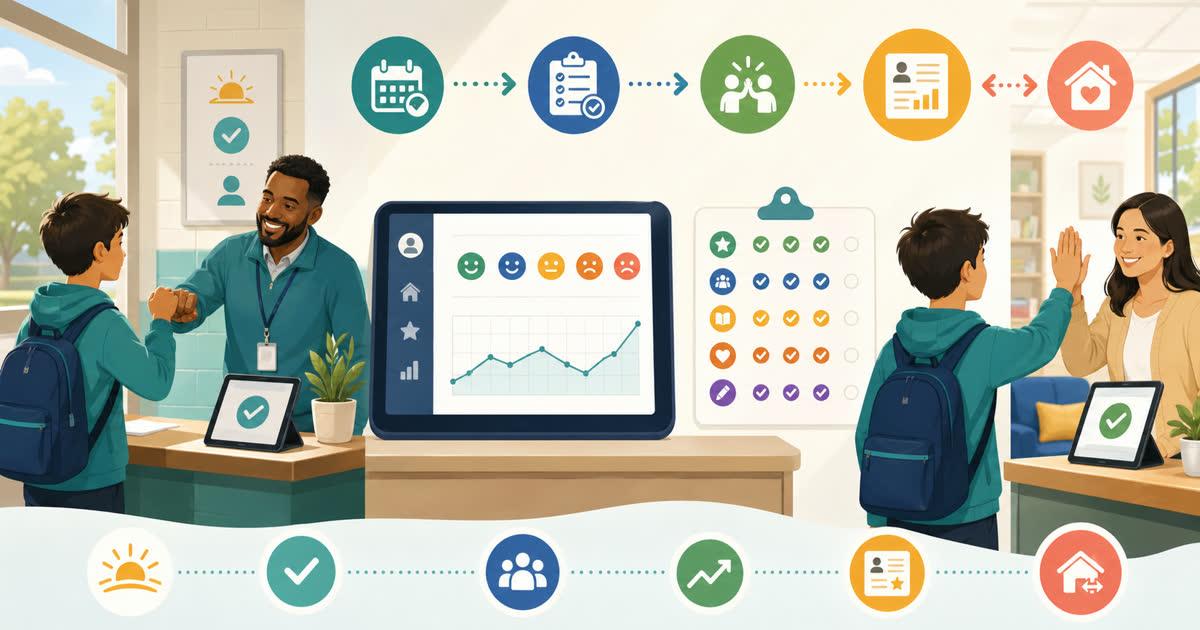
Tier 2 supports work best when they are simple, consistent, and easy for staff and families to understand. Learn how Check-In/Check-Out, daily behavior ratings, and progress reports fit inside a sustainable school behavior system.

Praise and reinforcement are evidence-based only when students can connect them to the expected behavior. Learn how timing, specificity, and reinforcement match affect classroom behavior support.
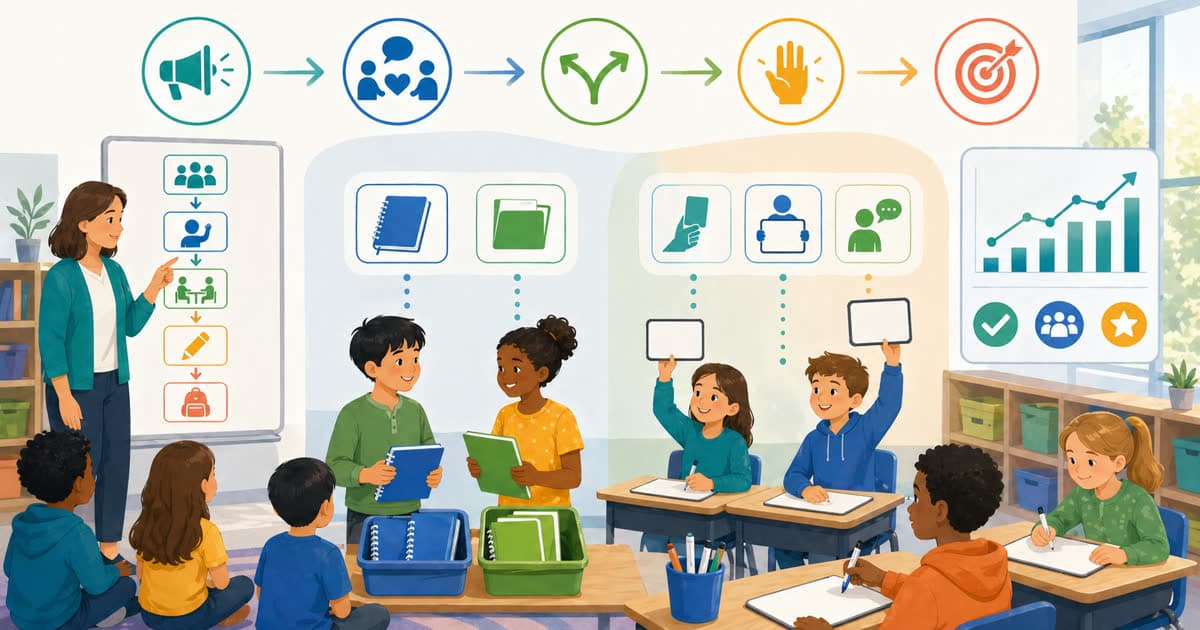
Antecedent strategies reduce behavior problems by making success more likely before the challenging routine begins. Learn how precorrection, choice, and opportunities to respond connect directly to ABC data.
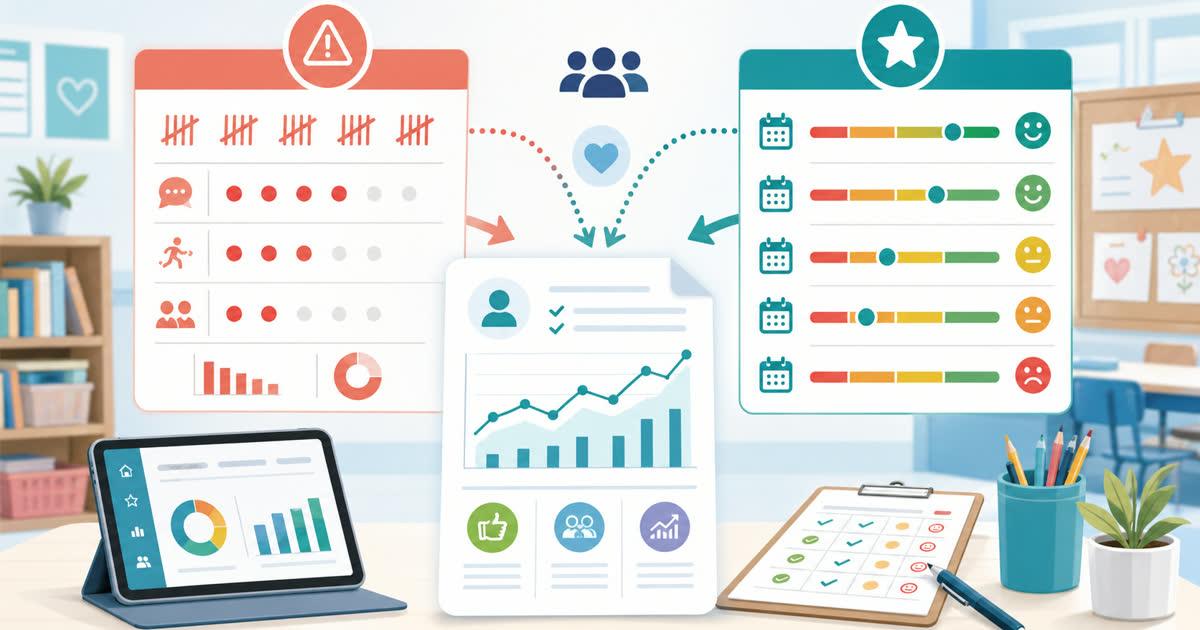
Incident counts capture what went wrong. Daily behavior ratings can capture how the day went. Learn when to use each method and how to combine them for better IEP, MTSS, and parent communication.
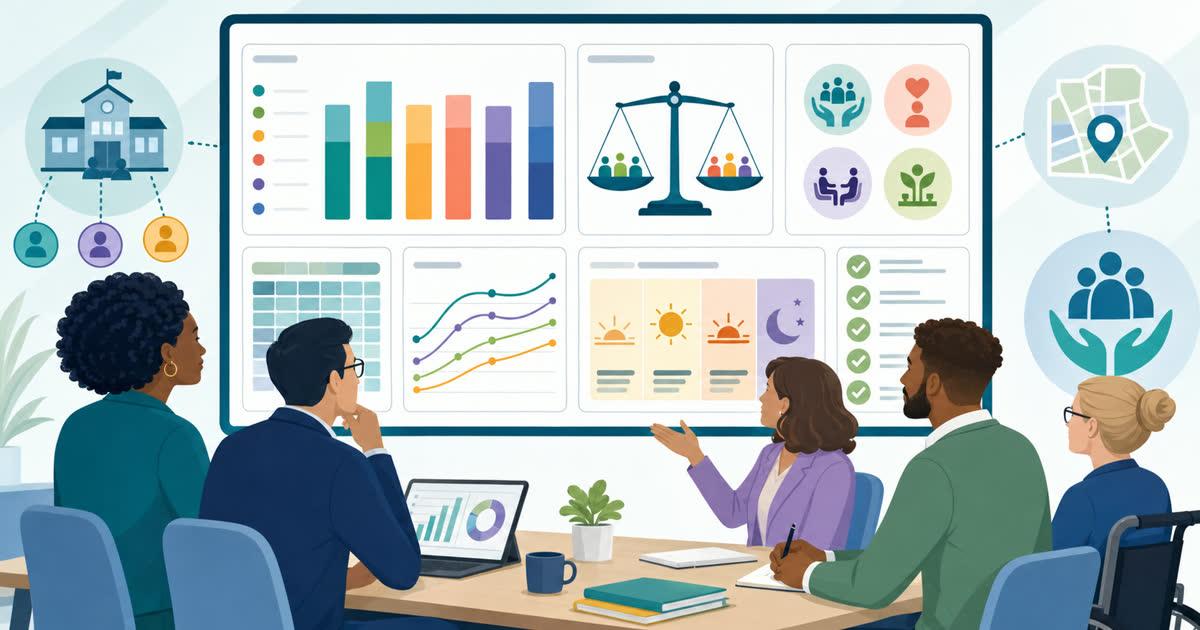
Behavior dashboards are most useful when leaders review them for access, support, and disproportionality. Learn a monthly equity-check routine tied to PBIS, MTSS, and school behavior data.

Collecting behavior data is only useful when teams know what to do with it. Learn practical decision rules for continuing, modifying, fading, or intensifying behavior interventions based on progress monitoring data.
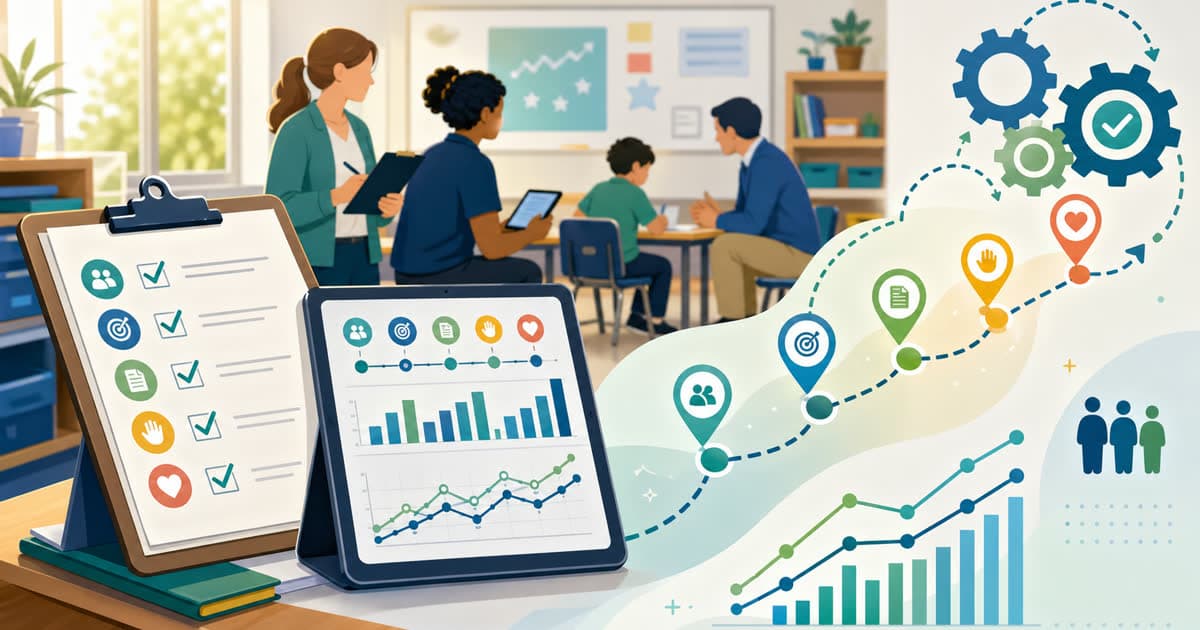
A behavior plan can be technically sound and still fail if adults implement it inconsistently. Learn how school teams can monitor BIP fidelity without turning support into a paperwork burden.
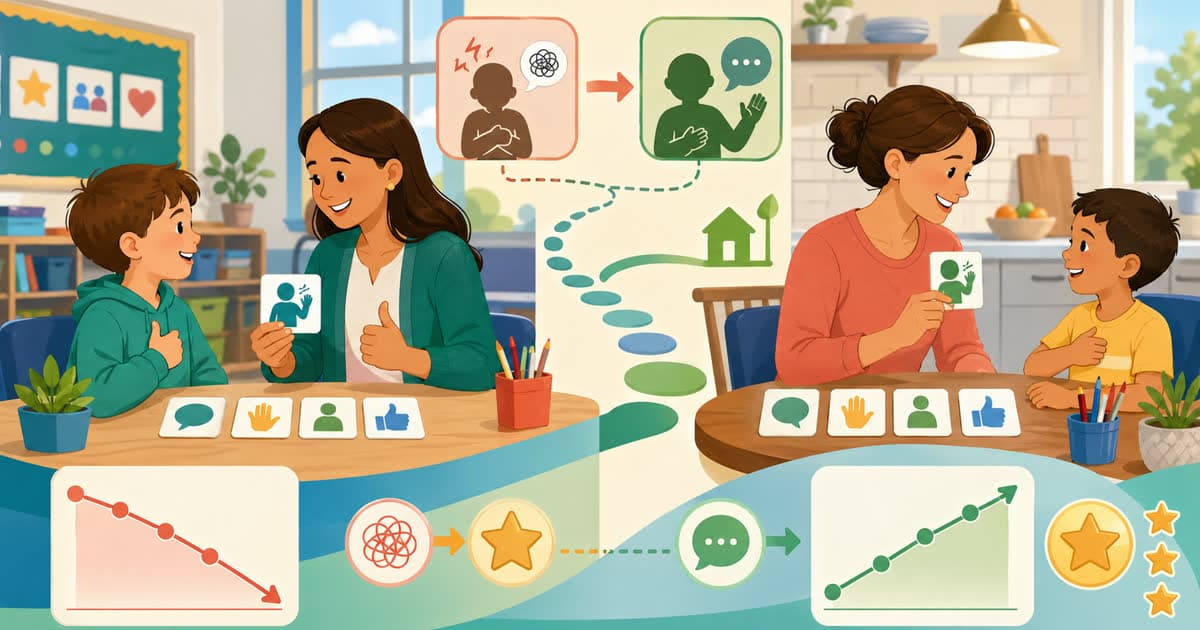
Replacement behaviors do not become useful because they are written in a BIP. They become useful when adults teach, prompt, reinforce, and practice them in the routines where challenging behavior happens.

Families deserve behavior updates that are honest, understandable, and useful. Learn how school teams can explain behavior patterns, functions, and progress data without making parents feel blamed.
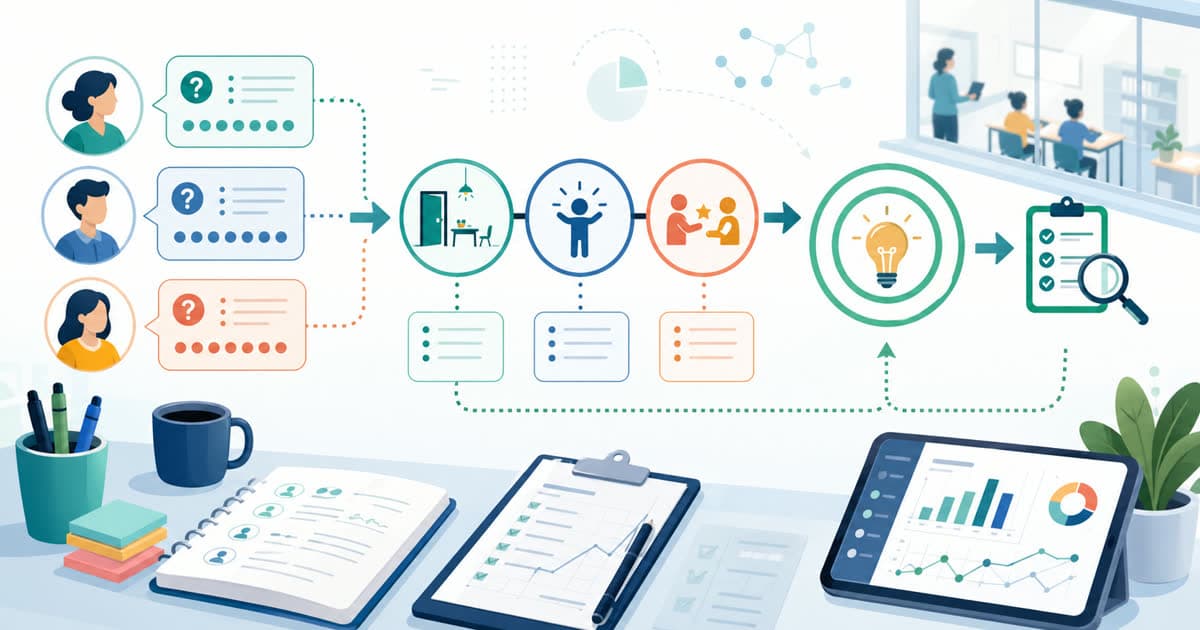
FBA interviews are useful only when teams convert them into observable patterns, testable hypotheses, and next-step data collection. Learn how to move from caregiver and staff input to an actionable function statement.
 Featured
Behavior data is essential - but it does not tell the whole story. Learn how to collect and interpret behavior data through a trauma-informed lens while maintaining objectivity.
Write end-of-year behavior summaries that help next year's teacher start strong with a one-page snapshot, decision-ready data, strategy procedures, and transition workflow.
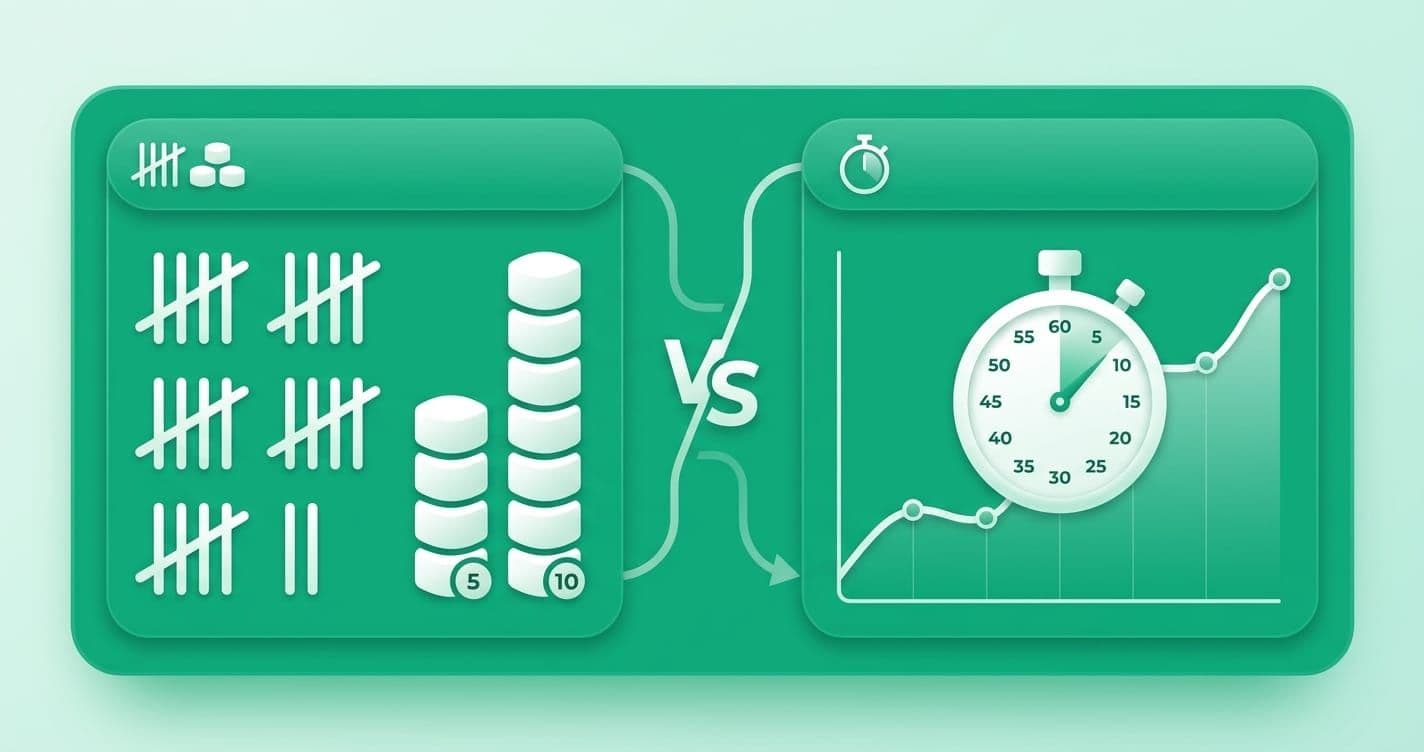
Understanding the difference between frequency counts and rate calculations is essential for accurate behavior measurement. Learn when raw counts are sufficient and when rate per minute provides more meaningful data for intervention planning.

A practical guide for choosing which behaviors to track, when to use response classes, how to match measurement methods, and how to avoid overloading observers.
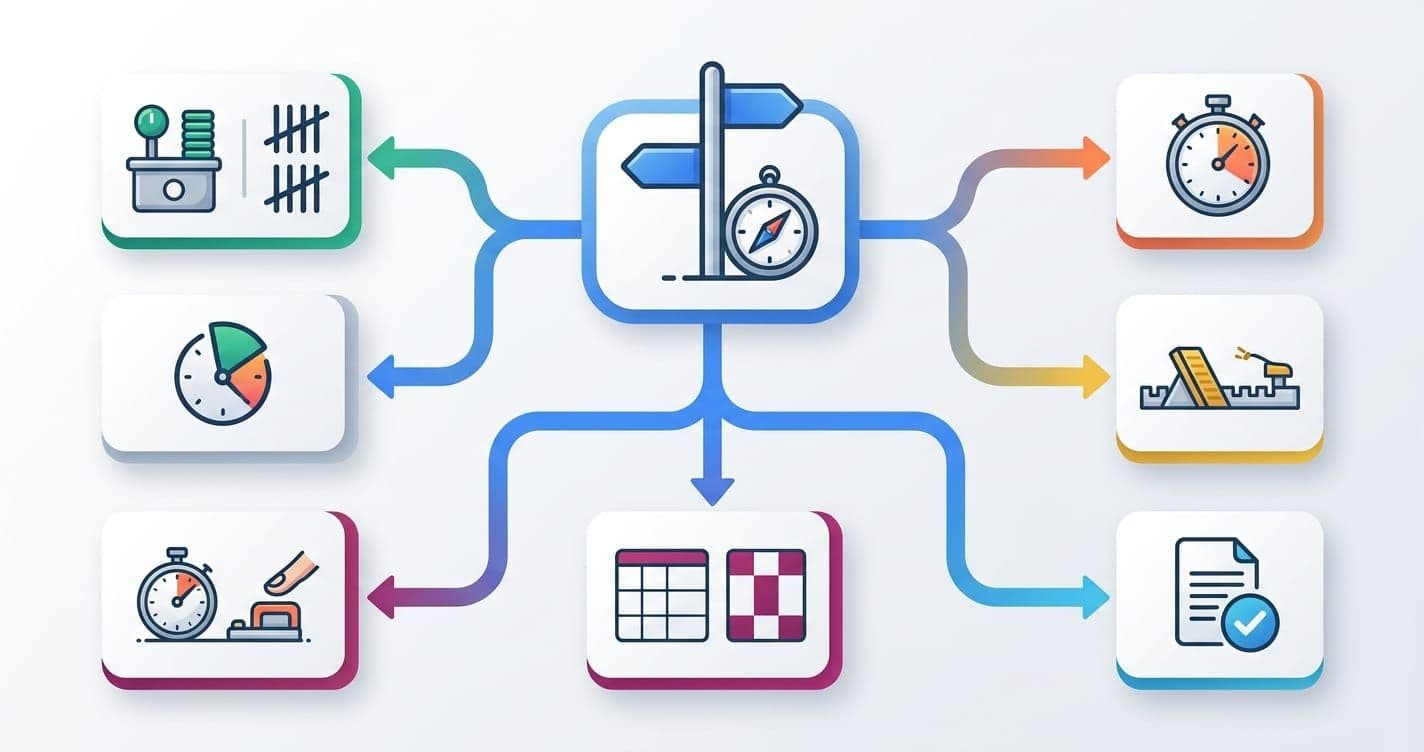
Use a practical method-selection matrix to choose event, duration, latency, interval, IRT, or permanent product recording based on the behavior, decision question, and classroom constraints.
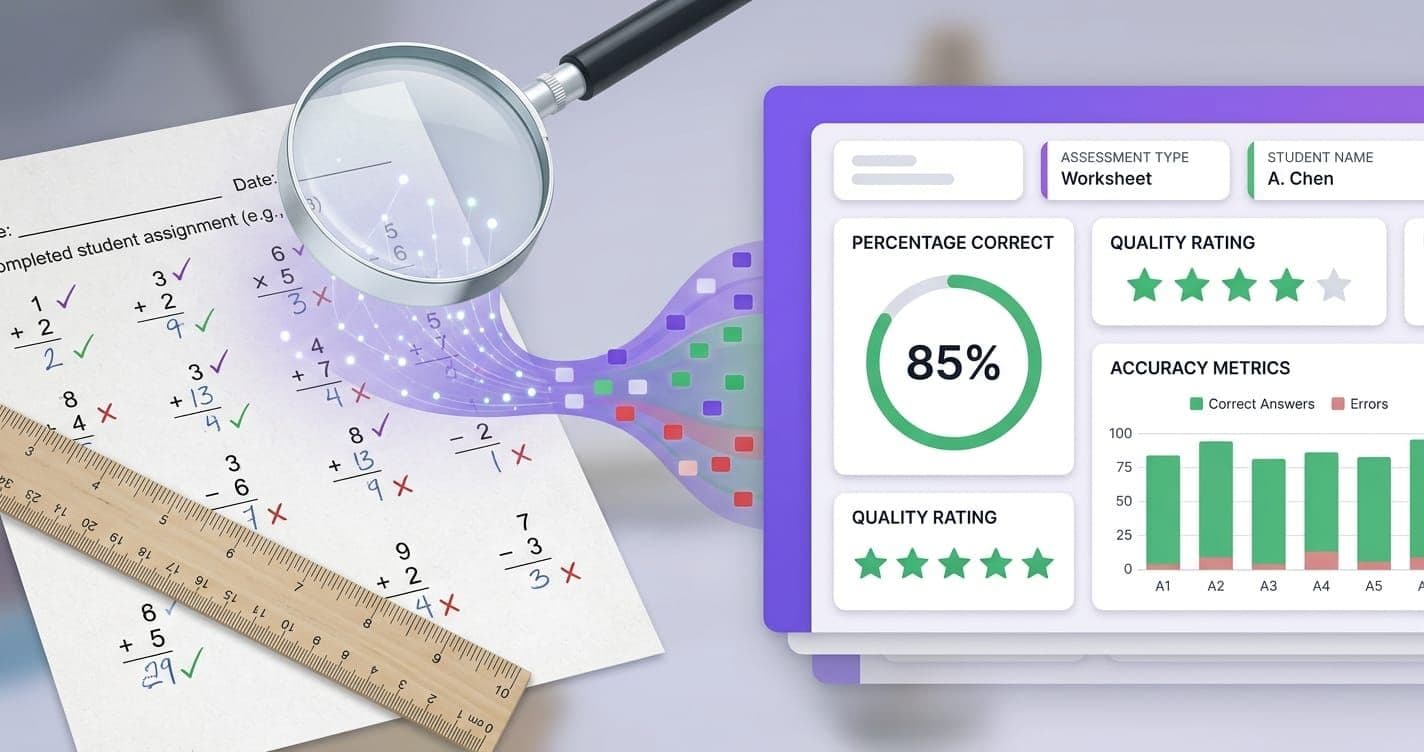
A practical guide to using permanent product recording when behavior leaves a measurable outcome, including scoring rules, limits, IOA checks, and classroom workflows.

A practical guide to using IRT when behavior spacing matters, including timestamp collection, useful summaries, DRL decisions, interpretation limits, and IOA checks.
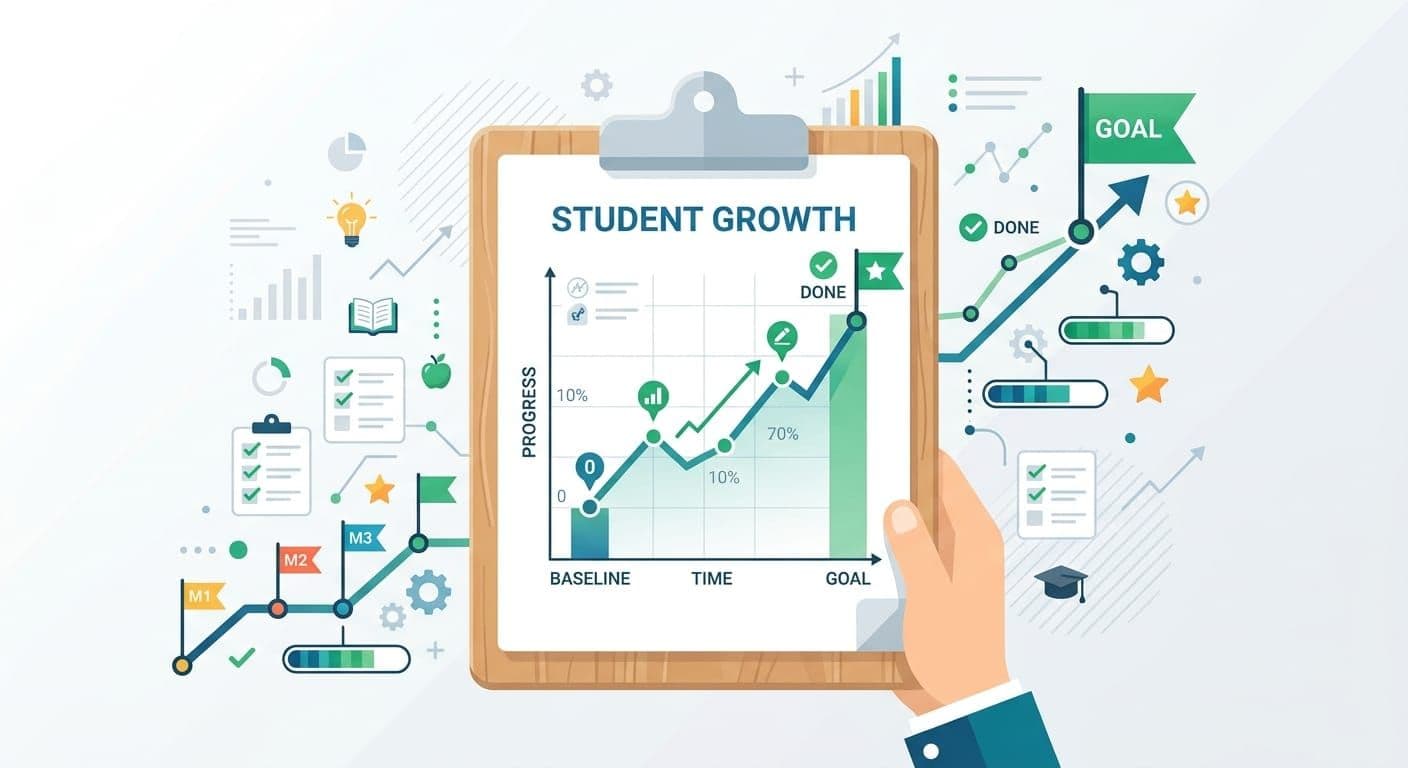
Are you tracking behavior to guide intervention or to prove results? Understanding the critical difference between progress monitoring and outcome tracking can transform how you use your data.

A practical guide for co-teaching teams to assign behavior data ownership, prevent duplicate entries, use IOA for calibration, and run a daily data sync.

A practical parent guide for reading behavior graphs, spotting trend red flags, adding home context, and asking better data questions in school meetings.
 Featured
Run a focused monthly behavior data review with the right dashboard views, equity prompts, red flags, action-owner log, and follow-up routines for school leadership teams.

How school-based BCBAs build data systems for supervising paraprofessionals and behavior staff across classrooms and campuses: shared protocols, training staff to an agreement criterion, graphed data in coaching meetings, and a coaching log.

A practical paraprofessional guide for collecting behavior data teachers and specialists can use, including clear definitions, quick codes, ABC context notes, consistency checks, and handoff routines.

A practical school-team decision guide for choosing structured checklists, open-ended FBA interviews, or both before confirming behavior hypotheses with direct observation.

Set up substitute teachers for success when you are absent. Create effective sub plans that maintain behavior plan fidelity without requiring expertise your sub does not have.

Parenting a child with a behavior intervention plan is exhausting. Practical self-care strategies that actually fit into your life, plus permission to take care of yourself.

Help grandparents, aunts, uncles, and other family members understand your child's behavior plan. Scripts, strategies, and tips for navigating well-meaning but unhelpful advice.

Navigate the complex political dynamics of school systems while maintaining your ethical obligations. Practical strategies for handling conflicts between organizational pressures and BACB guidelines.

Keep up with the latest applied behavior analysis research relevant to school settings. Efficient strategies for finding, evaluating, and applying new research to your practice.

Know when your school needs external BCBA support versus what internal staff can handle. A practical framework for making consultation decisions that balance student needs with budget realities.

Build an effective behavior support team from the ground up. Learn what to look for in candidates, interview strategies, onboarding best practices, and retention approaches.

Master the art of collecting behavior data while providing 1:1 support. Learn positioning strategies, discreet recording methods, and how to observe without becoming part of the behavior pattern.

Build a strong partnership with your lead teacher around behavior plans. Learn communication strategies, how to share observations, and when to take initiative versus defer.

A practical BCBA guide for training teachers to collect behavior data that is clear enough, simple enough, and reliable enough for school decision-making.

A practical guide for BCBAs supervising in schools, including schedule mapping, tiered support, feedback routines, documentation, scope boundaries, and leadership communication.

Build a productive home-school partnership with role clarity, communication lanes, meeting agendas, action logs, disagreement scripts, and follow-up routines.

A family-friendly guide to reading behavior data, understanding trends, adding home context, asking better meeting questions, and knowing when to request a plan review.

Design a school-wide behavior data system with governance roles, tiered metrics, a data dictionary, review cadence, privacy and equity checks, and a 90-day rollout plan.

A practical administrator guide to monitoring BIP fidelity with brief walkthroughs, implementation evidence, barrier checks, and clear next actions.

A practical paraprofessional guide to behavior team roles, implementation boundaries, approval needs, escalation paths, and professional scripts.

A practical guide for paraprofessionals on giving useful handoffs, writing objective incident notes, choosing communication lanes, and escalating safety concerns.
 Featured
A practical paraprofessional guide for clarifying behavior data assignments, choosing the right recording method, documenting support, and handing off useful notes.

Your first year is hard enough without complex behavior systems. These evidence-based strategies are simple to implement, require minimal prep, and produce visible results fast.

Inclusive classrooms present unique challenges for behavior data collection. Learn how co-teaching teams can coordinate tracking without disrupting instruction or singling out students.

A practical teacher and behavior team guide for delegating behavior data collection to paraprofessionals with clear definitions, simple tools, training, calibration, and handoff routines.

A practical guide for writing FBA reports that preserve technical accuracy while helping teachers, administrators, and families understand the behavior plan.

A practical guide for choosing direct, consultative, or hybrid BCBA service models in schools based on student risk, staff capacity, fidelity, and sustainability.

A practical guide for school-based BCBAs and administrators to tier caseloads, protect direct service time, delegate safely, document efficiently, and surface capacity needs.

The school year is ending, but your child's behavior plan does not have to. Practical strategies for maintaining progress and preventing regression over summer break.

If your child is struggling with behavior at school, a Functional Behavior Assessment might help. Learn what an FBA is, when to request one, and how to navigate the process.

Walking into a school meeting about your child's behavior can feel overwhelming. This guide explains what happens, who will be there, and how to be an effective advocate for your child.

Use a board-ready storyline, slide outline, privacy guardrails, and one-page briefing format to present behavior data clearly to non-specialist decision-makers.

Plan behavior support budgets around staffing, training, tools, implementation time, and review metrics so resources match student needs and school capacity.

Use a practical administrator workflow to triage teacher requests, observe behavior patterns, match supports to barriers, document follow-through, and know when to escalate.

A pocket reference for paraprofessionals: practical de-escalation techniques you can use immediately when a student starts to escalate.

As a paraprofessional, you occupy a unique role in students' lives. Learn strategies for building meaningful connections that support student success without overstepping boundaries.

Learn to identify the warning signs that indicate a situation is escalating beyond your scope. A safety-focused guide for paraprofessionals on when and how to request backup.
Extended School Year decisions require clear, compelling data. Learn how to use your behavior data to build a strong case for ESY services and ensure students maintain critical skills over summer break.

Learn evidence-based de-escalation strategies to prevent behavioral crises before they occur. Discover early warning signs, verbal and non-verbal techniques, and how to create effective crisis prevention plans.

A practical autism-informed guide for choosing visual supports, sensory accommodations, communication replacements, and data routines that help school teams support autistic students.
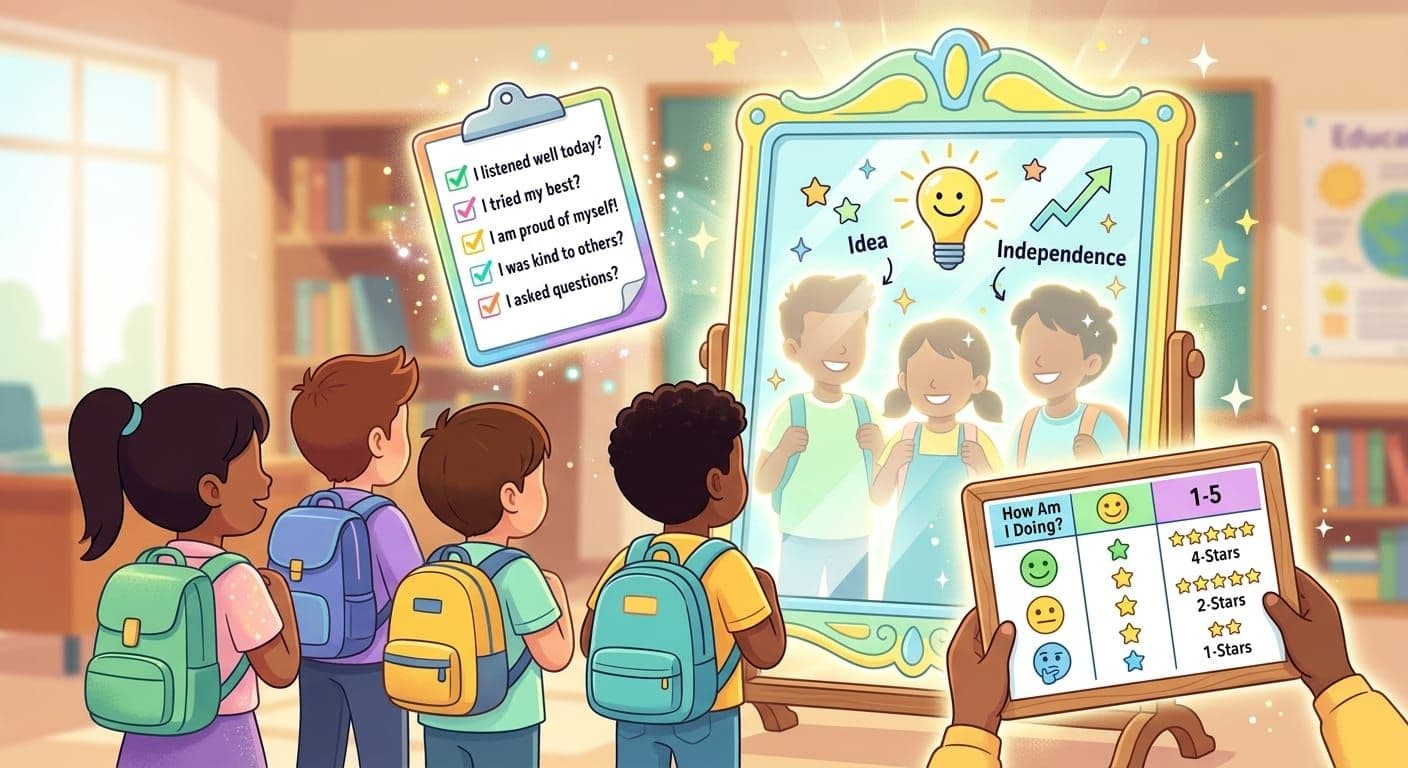
Learn how to implement student self-monitoring programs that build self-awareness, independence, and self-regulation skills. Discover age-appropriate strategies and technology tools for effective self-monitoring.
Learn how to connect daily behavior data to annual IEP goals. Discover strategies for visual progress reporting, data-based decision making, and when to adjust goals mid-year for maximum student success.
FeaturedUnderstand how trauma impacts student behavior and learn evidence-based approaches for supporting trauma-exposed students. Discover how to adapt FBA/BIP practices and create healing-centered classroom environments.
 Featured
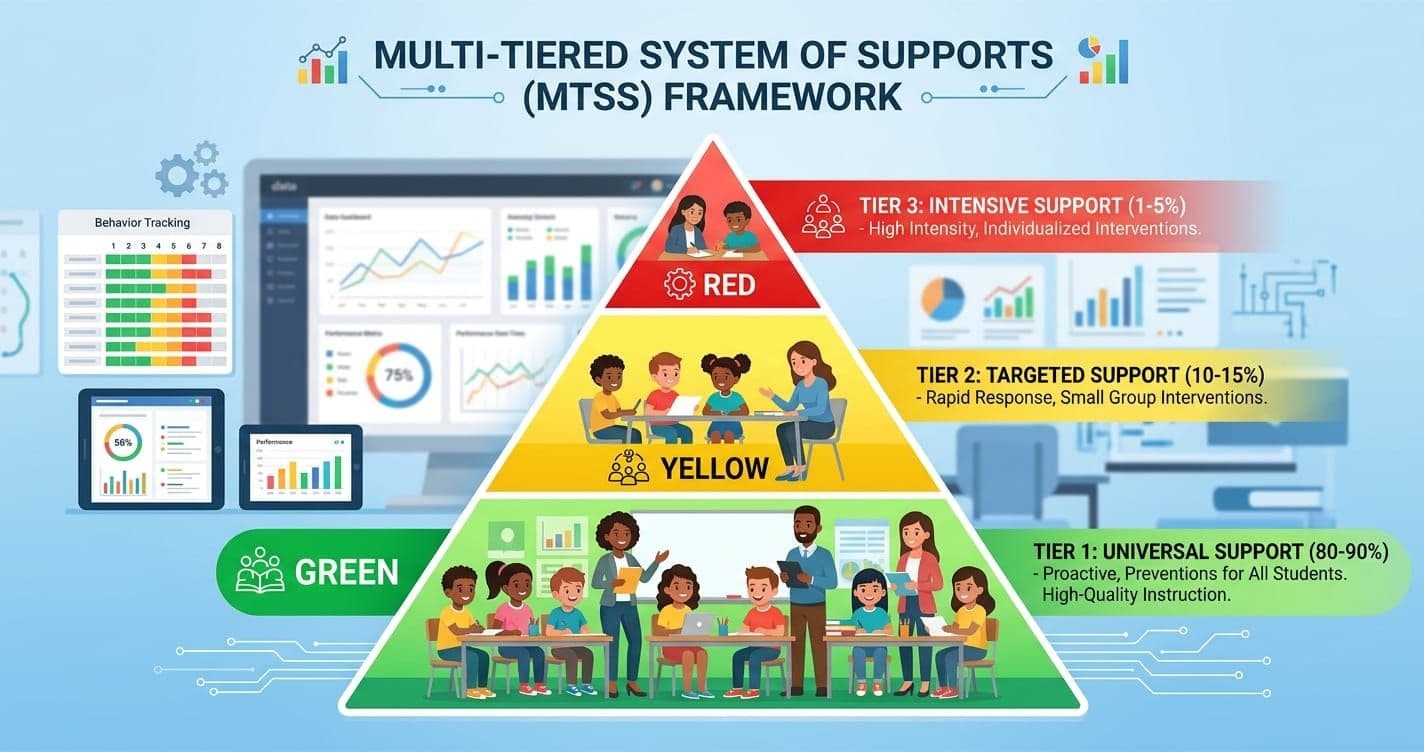
Learn how to effectively integrate Functional Behavioral Assessment (FBA) and Behavior Intervention Plans (BIP) within a Multi-tiered System of Supports (MTSS) framework. Discover best practices for data-driven decision making at each tier.
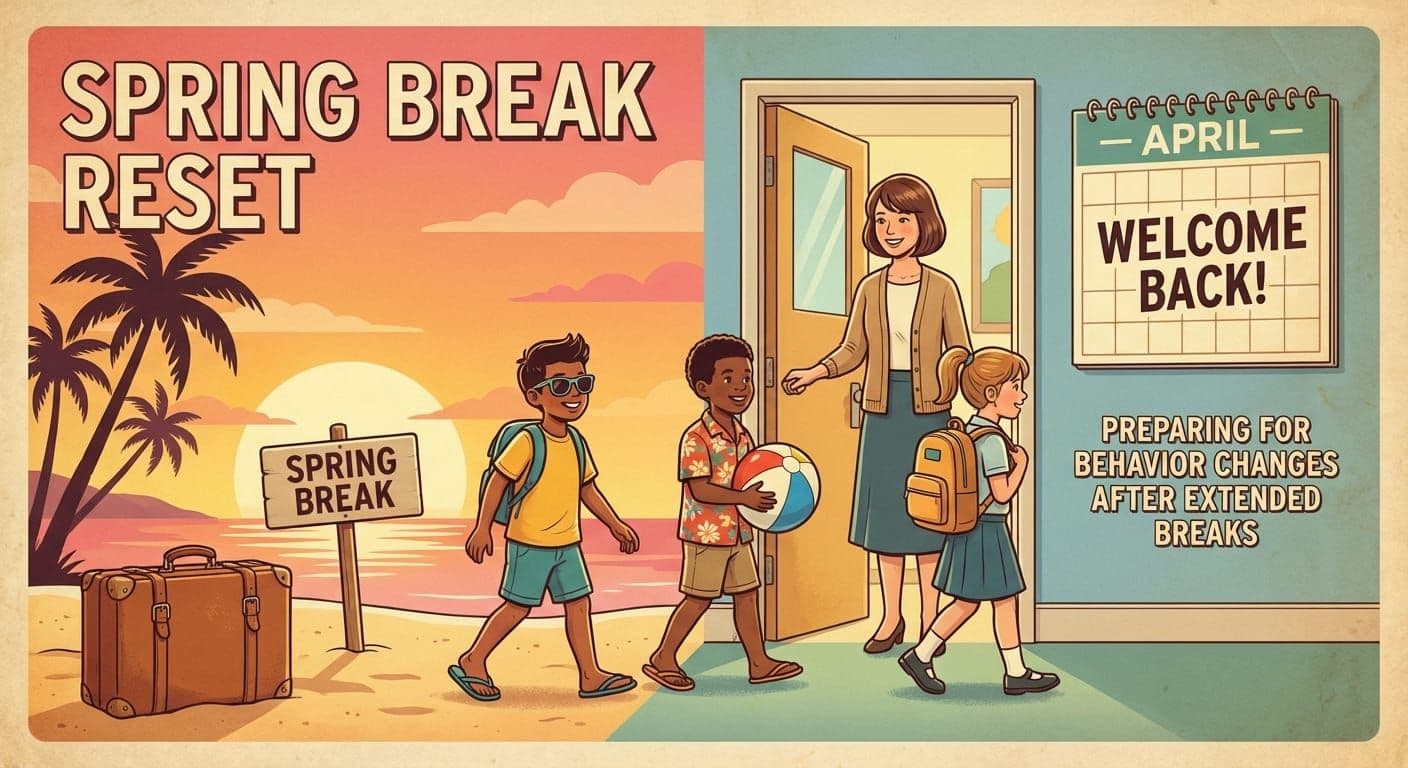
A rough first week back after spring break or any long break is common. Prepare students beforehand, plan a structured low-demand return, and track recovery separately so you can tell a dip from a plan that needs review.
 Featured
Understanding informed consent is essential before conducting a Functional Behavioral Assessment. Learn what FBA consent requires, why it matters, and how to communicate effectively with families about the assessment process.
 Featured
You collect data every day, but are you seeing the full picture? Discover how AI-powered analysis can reveal hidden patterns in your behavior data and suggest interventions you might not have considered.
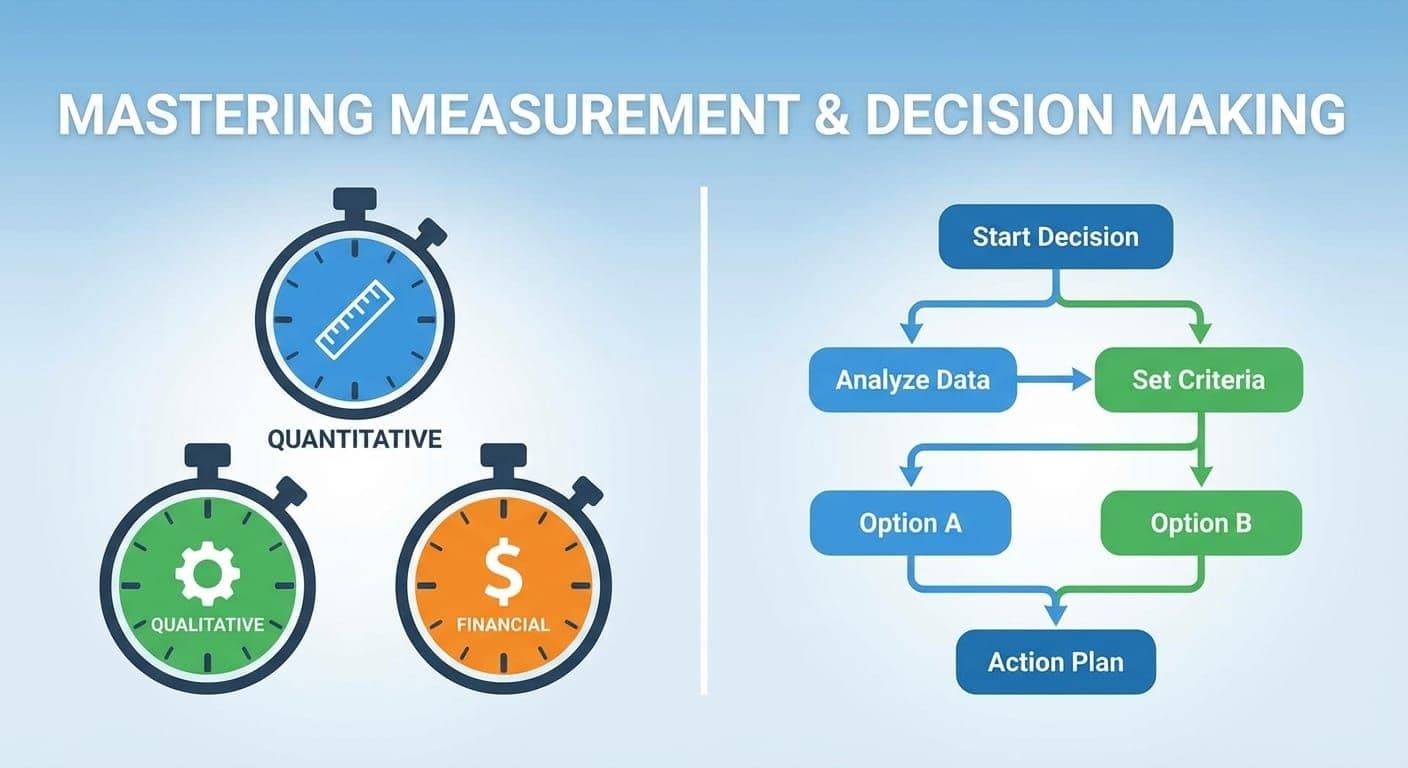
You're counting tantrums. But should you be timing them instead? Choosing the wrong measurement type can make an intervention look successful when the problem is actually getting worse. Learn the research-backed guide to measurement selection.
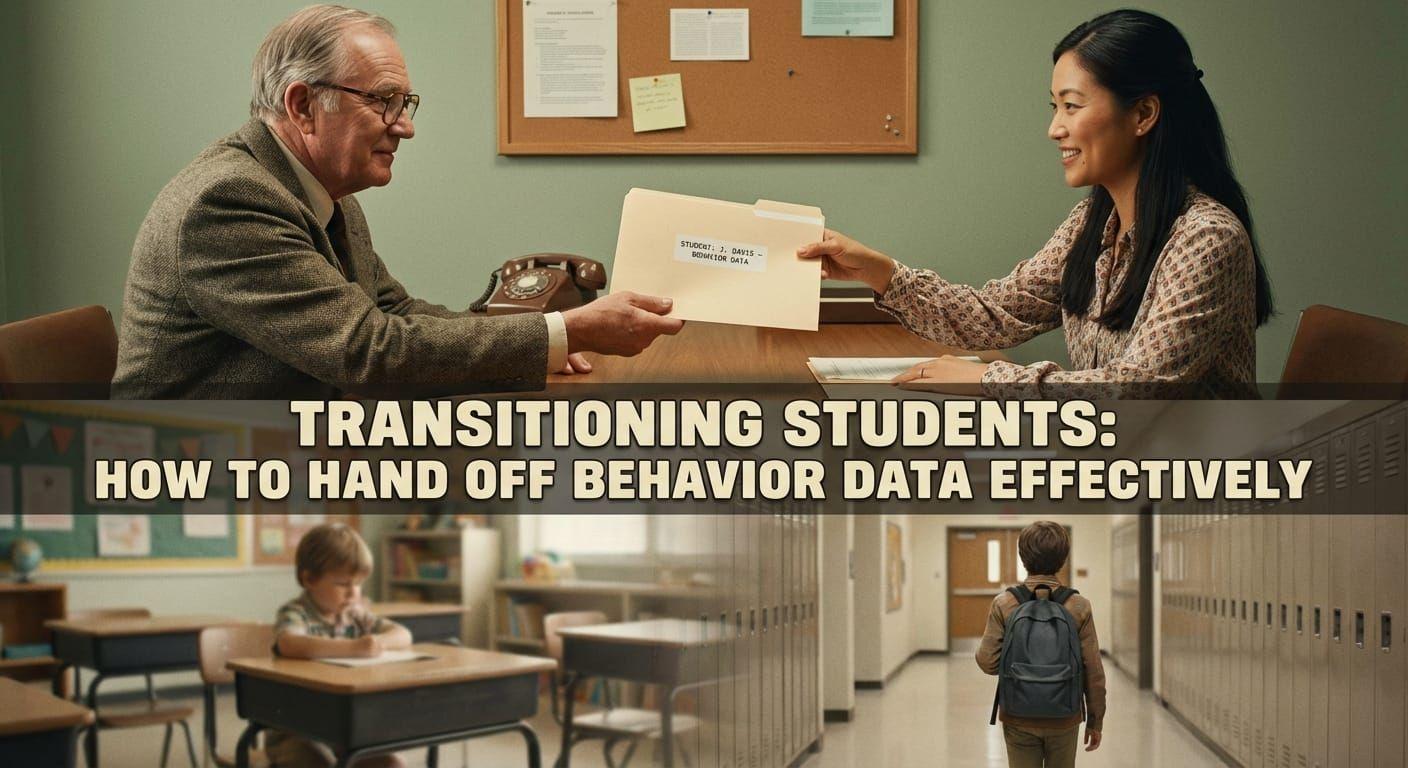
When students change classrooms, schools, or grade levels, critical behavior data often gets lost. Learn how to create transition documents that set up both the next teacher and the student for success.
 Featured
Transform your Behavior Intervention Plans from documents into action. This comprehensive checklist guides you through every phase, from pre-implementation preparation to ongoing fidelity monitoring and data-driven adjustments.
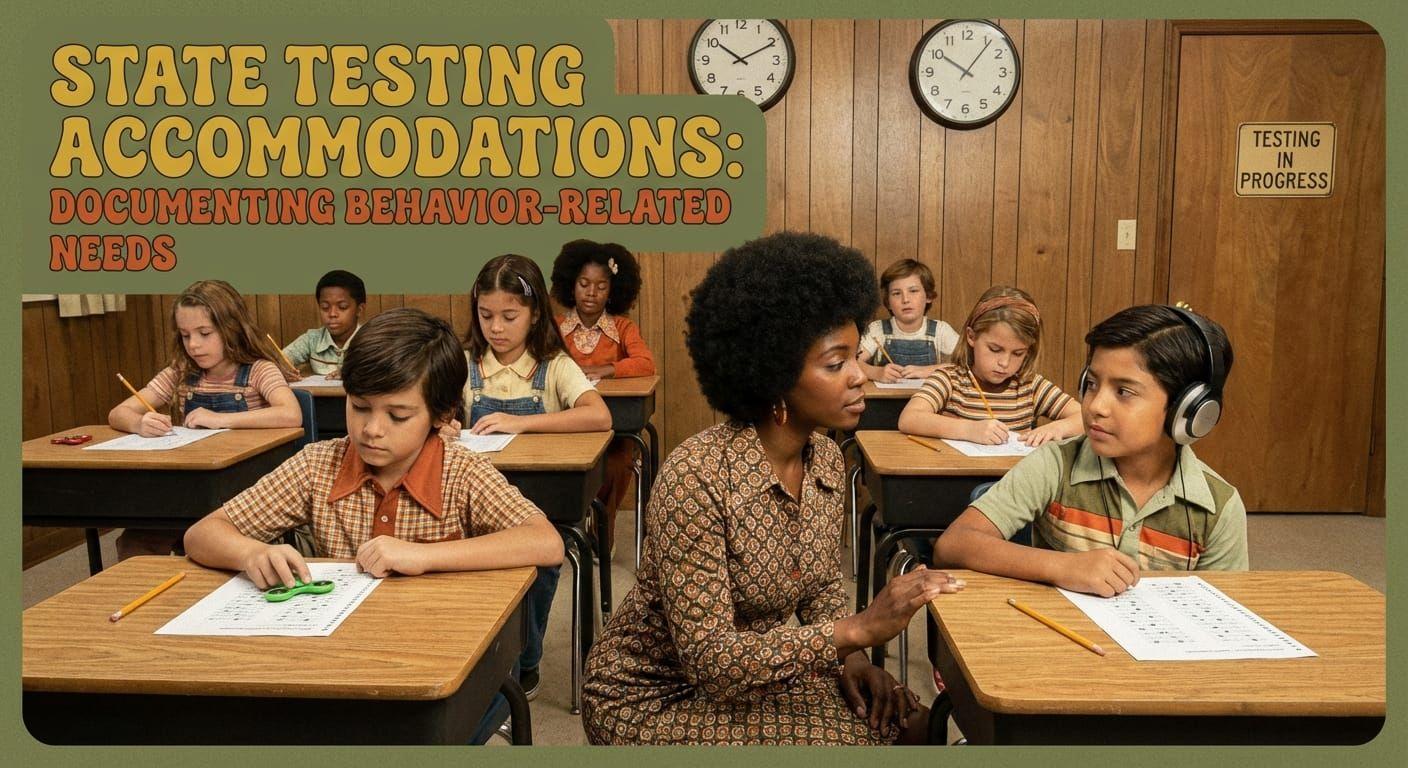
State testing season brings unique challenges for students with behavior needs. Learn how to document behavior-related accommodations that ensure fair assessment while maintaining test validity.
 Featured
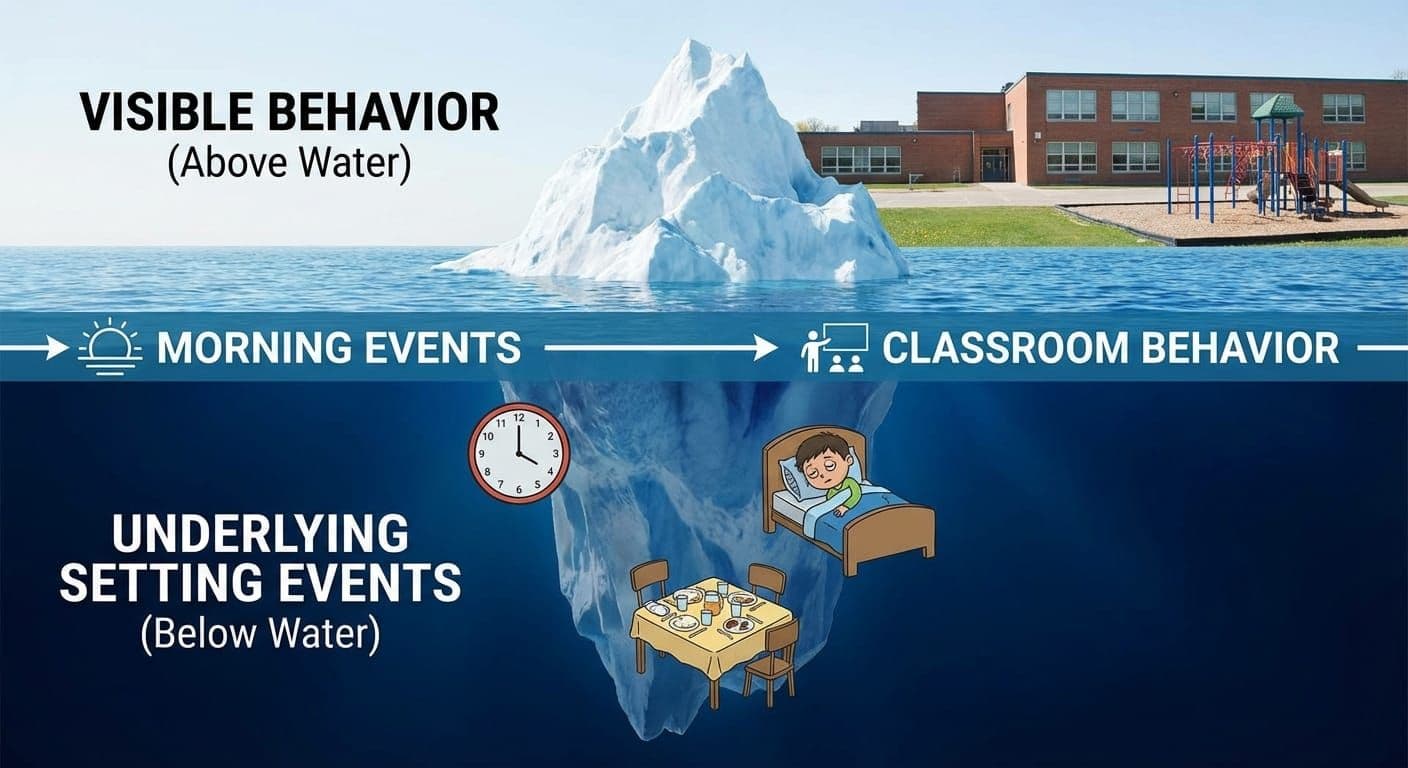
He's always perfect on Wednesdays but struggles on Mondays. Coincidence? Research shows setting events are present in 64% of severe behavior incidents. Learn to identify and address these hidden variables.
Parent collaboration makes or breaks behavior interventions. Learn how to share data effectively, build trust through transparency, and create home-school partnerships that drive real change.
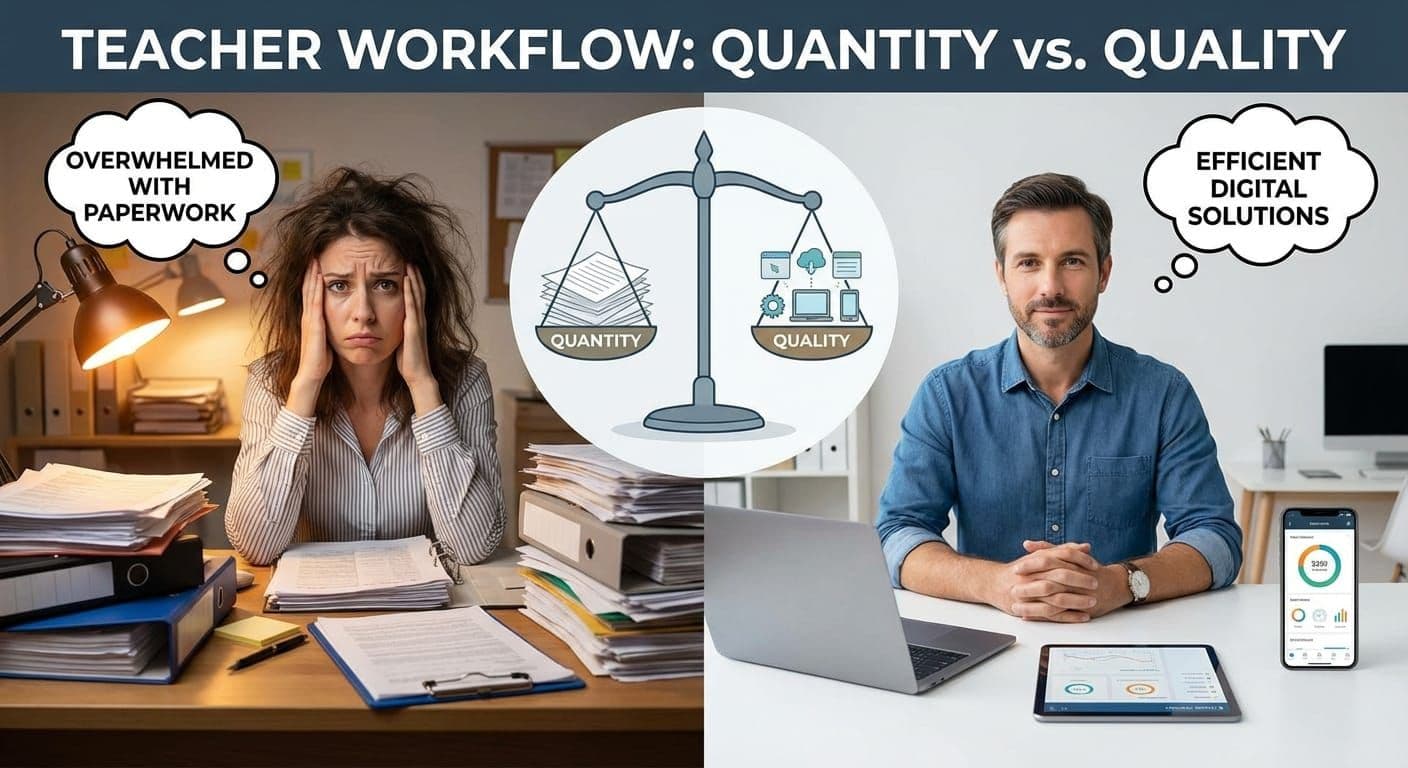
You're drowning in data but starving for insights. Research shows strategic data collection beats exhaustive logging. Learn the evidence-based framework for collecting the right data, not just more data.

Annual IEP reviews are high-stakes moments. Learn how to organize, present, and use a full year of behavior data to justify services, demonstrate progress, and plan for next year.
 Featured
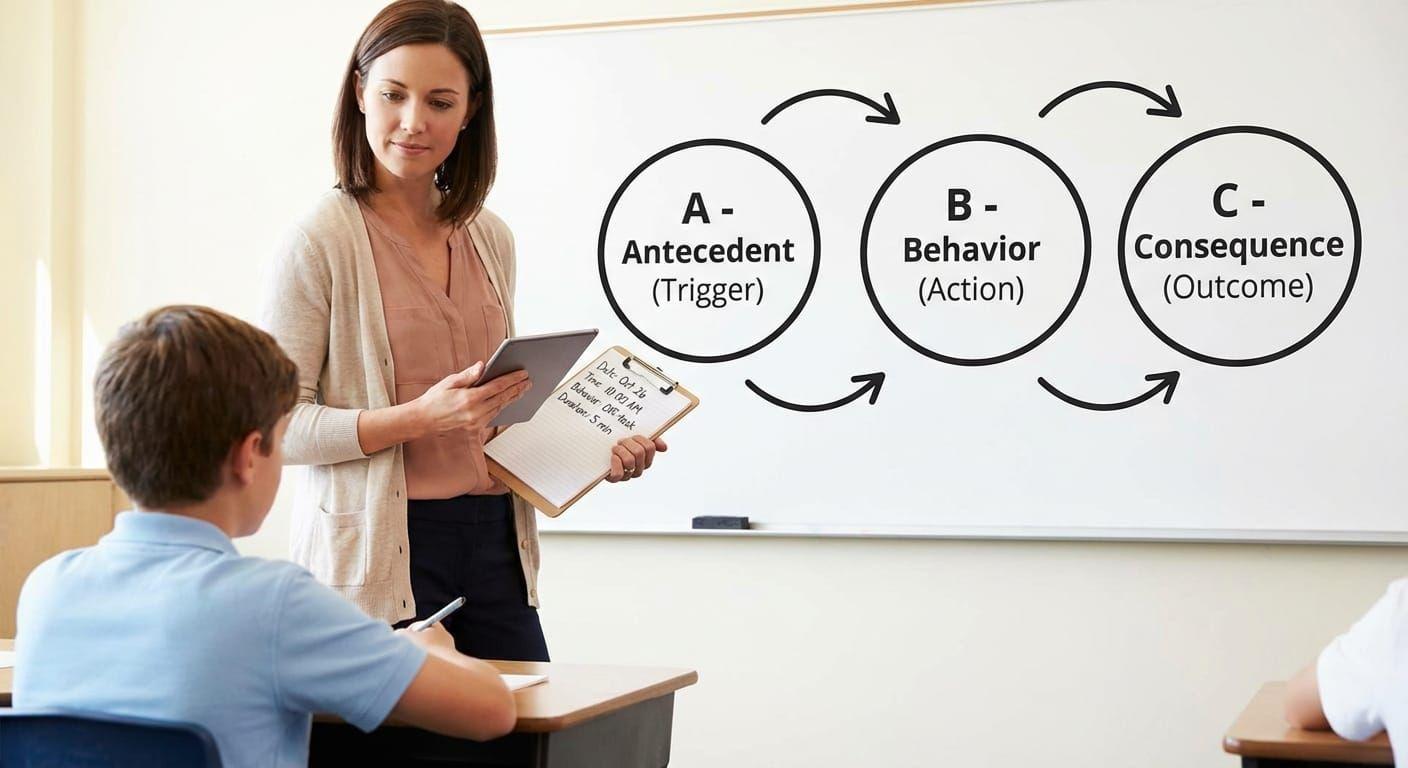
You've logged 47 incidents of "disruption" this month. But do you know WHY they're happening? Discover the research-backed reasons why ABC data transforms intervention planning and how to collect it effectively.

You have six months of data. But can you explain what it means? Learn how to transform raw behavior data into compelling narratives that drive IEP decisions and demonstrate student progress.
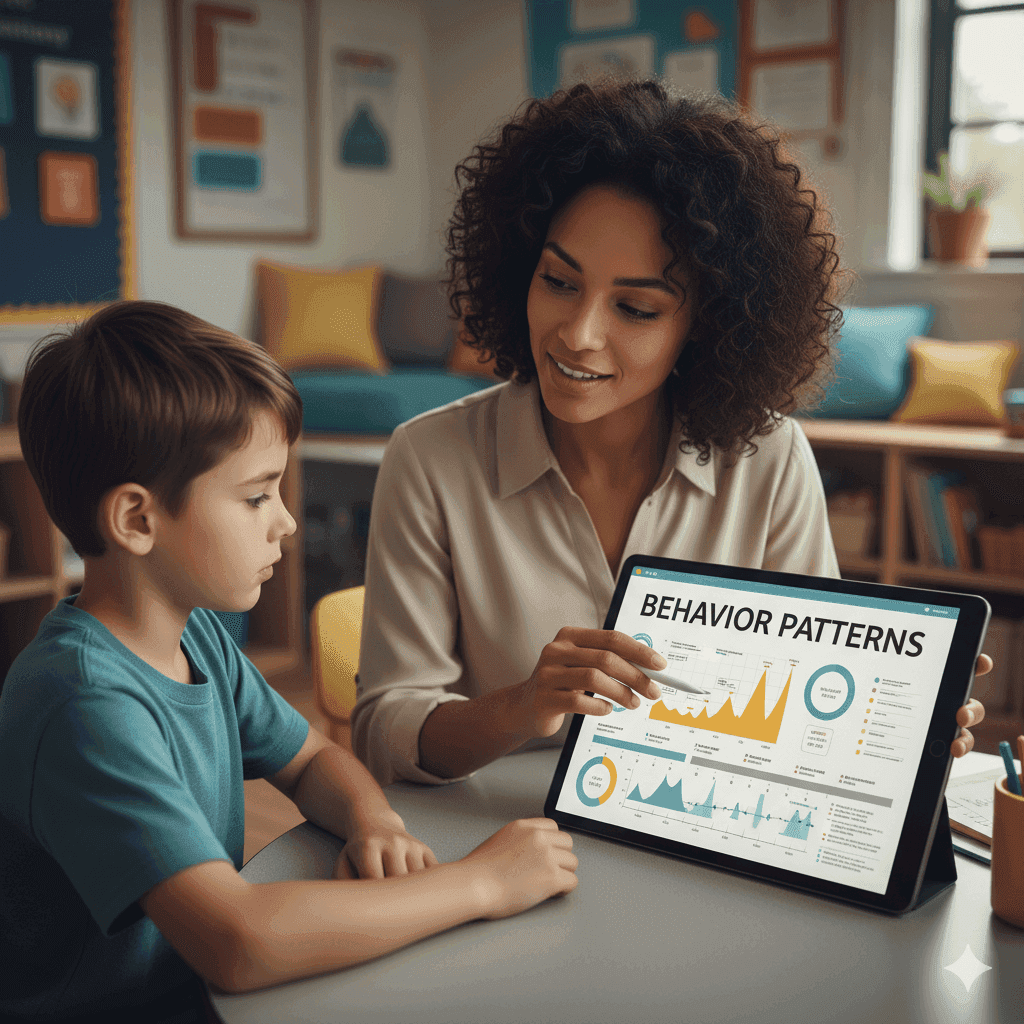
Choose the right behavior graph, add goal and phase markers, interpret trends, and prepare clearer visuals for IEP meetings, FBA reviews, and progress monitoring decisions.
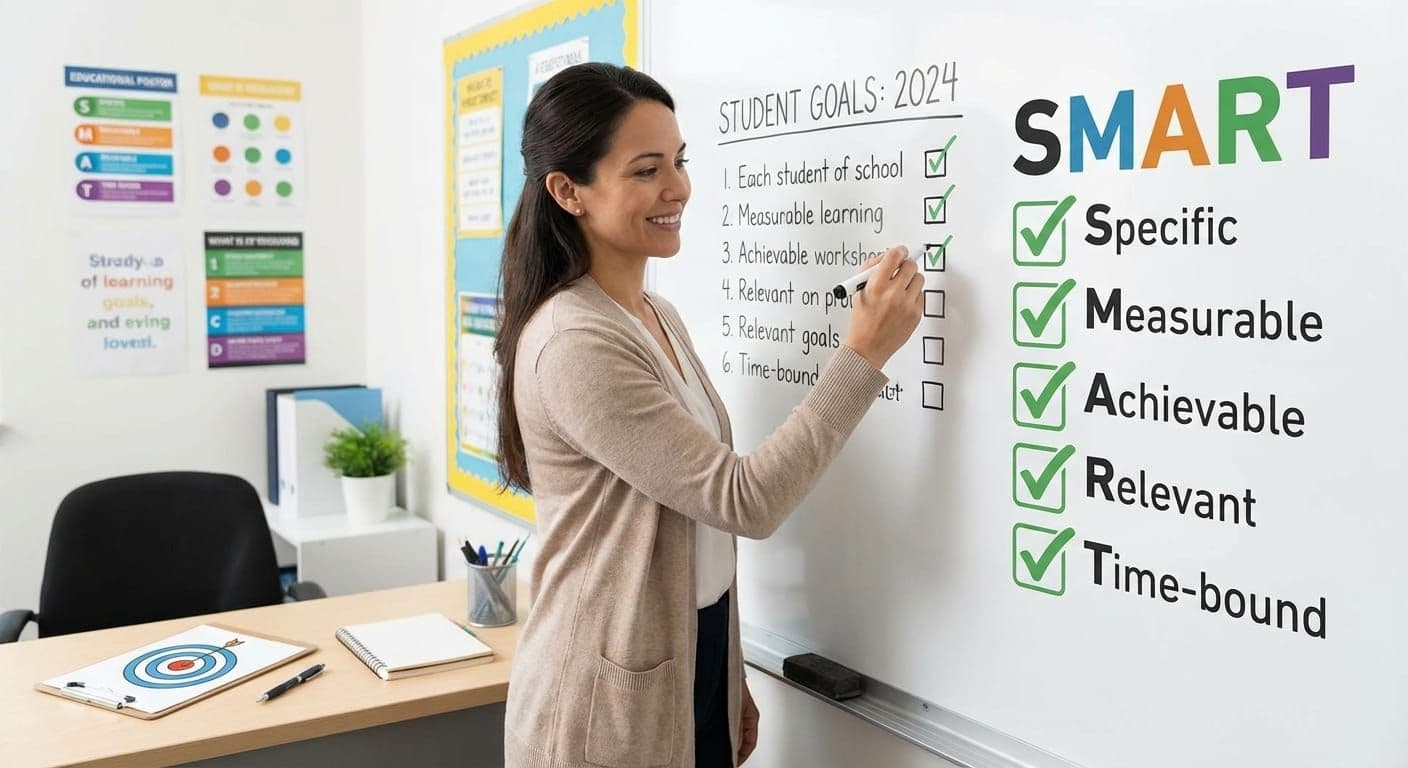
A SMART behavior goal names an observable behavior, how it will be measured, how much change counts, and by when. Learn the framework, see examples by function, and avoid common goal-writing mistakes.
 Featured
Use classroom examples, ABC data clues, and replacement behavior planning prompts to identify behavior function and choose supports that match the student need.

Use this practical FERPA-informed workflow to handle behavior records, parent access requests, team sharing, vendor review, retention, and privacy-safe documentation.

Navigate the ethical considerations of using AI for behavior tracking in schools. Learn about transparency requirements, bias prevention, professional oversight, and how to balance AI insights with human judgment for student support.
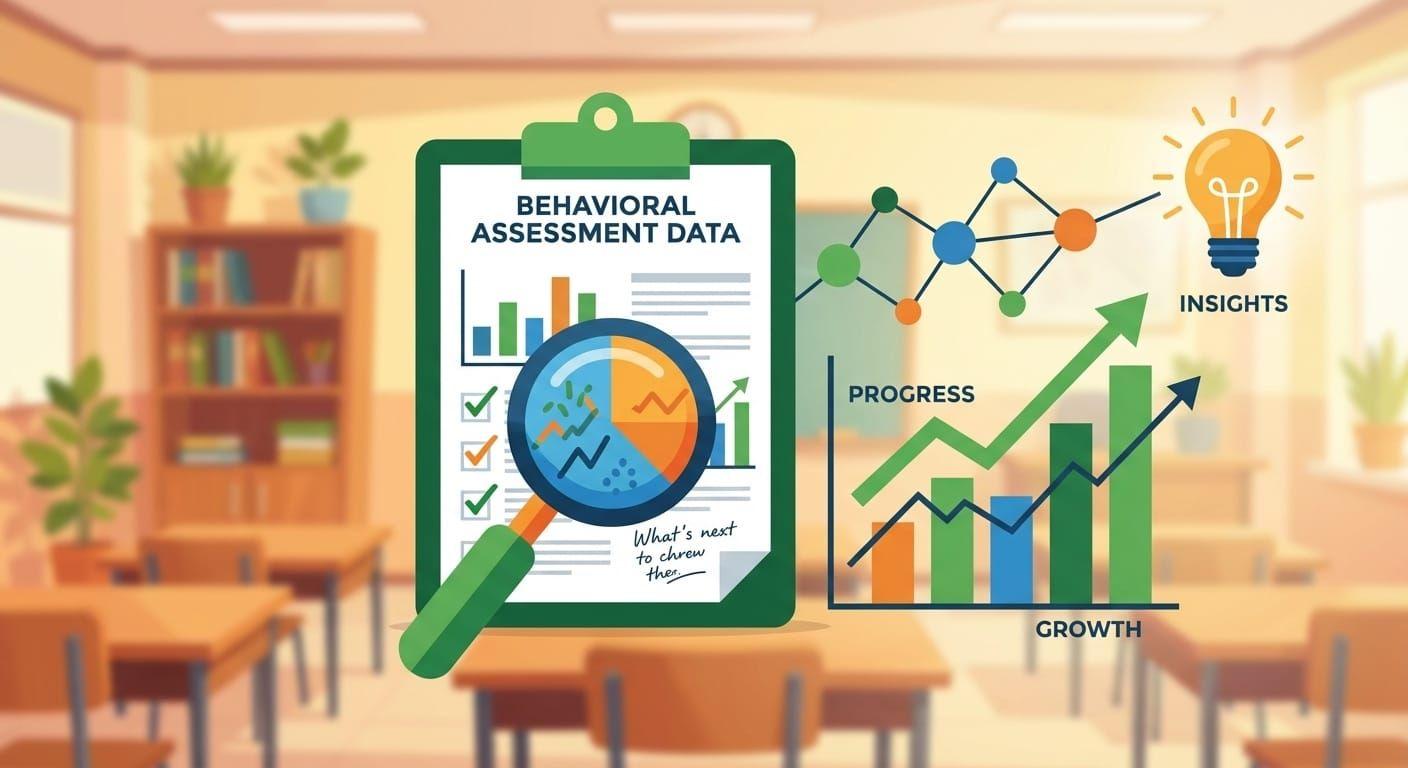
Use a practical FBA-to-BIP workflow for defining behavior, collecting defensible data, writing function-based plans, monitoring fidelity, and deciding when to revise supports.

Navigate the complexities of professional boundaries and ethical documentation in behavior support. Learn scope of practice guidelines, objective documentation language, confidentiality requirements, and how to protect yourself while serving students.

Learn how to conduct culturally responsive Functional Behavior Assessments that account for diverse backgrounds, reduce disproportionality in special education, and create equitable behavior support systems for all students.

Master the art of ethical parent communication in behavior reporting. Learn how to share difficult information with families while maintaining trust, using strength-based language, and building collaborative partnerships that support student success.

Use this practical guide to evaluate AI-supported data review, assistive technology, dashboards, wearable sensors, and other special education tools through a workflow, evidence, privacy, and implementation lens.
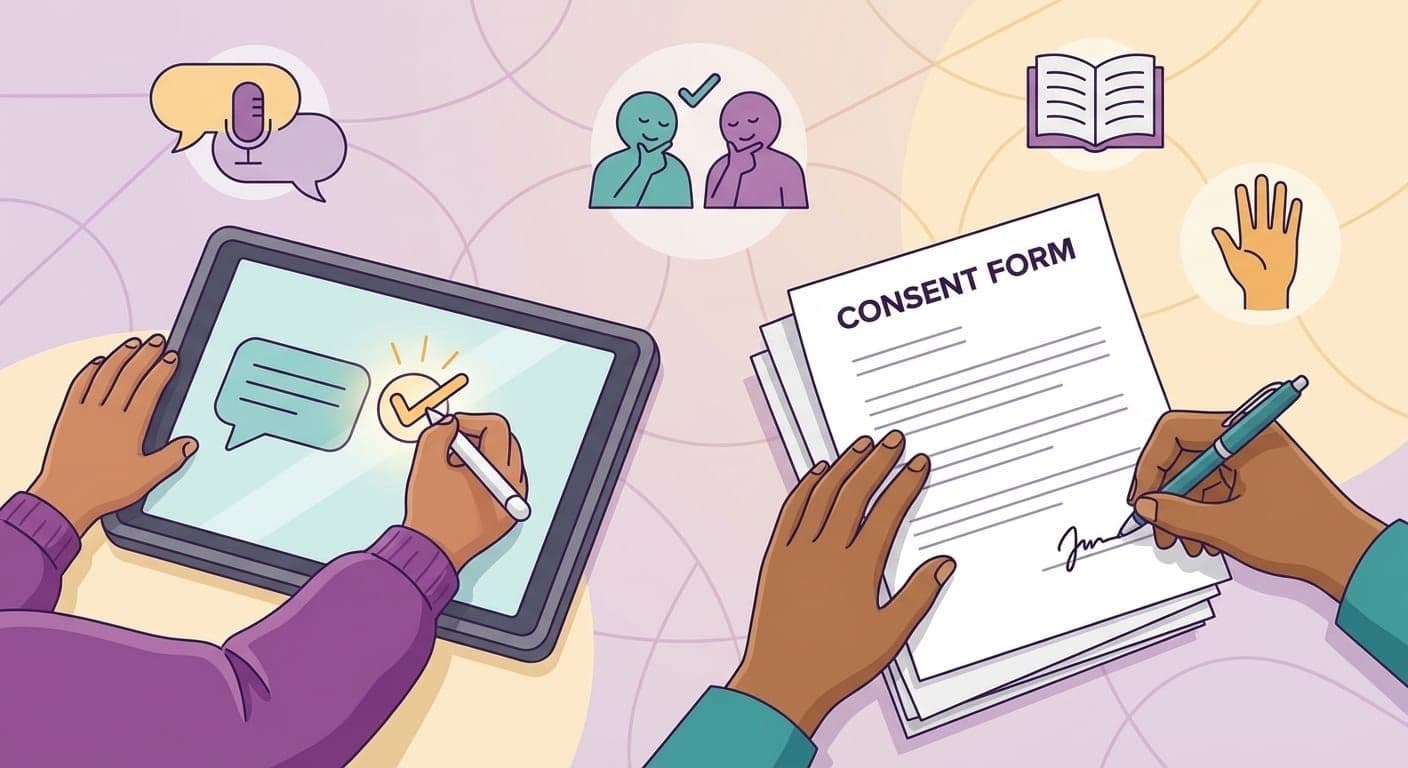
Understand the ethical and legal requirements for obtaining consent and assent in behavior interventions. Learn how to involve students and families meaningfully in treatment decisions while ensuring compliance with IDEA and ethical standards.
 Featured
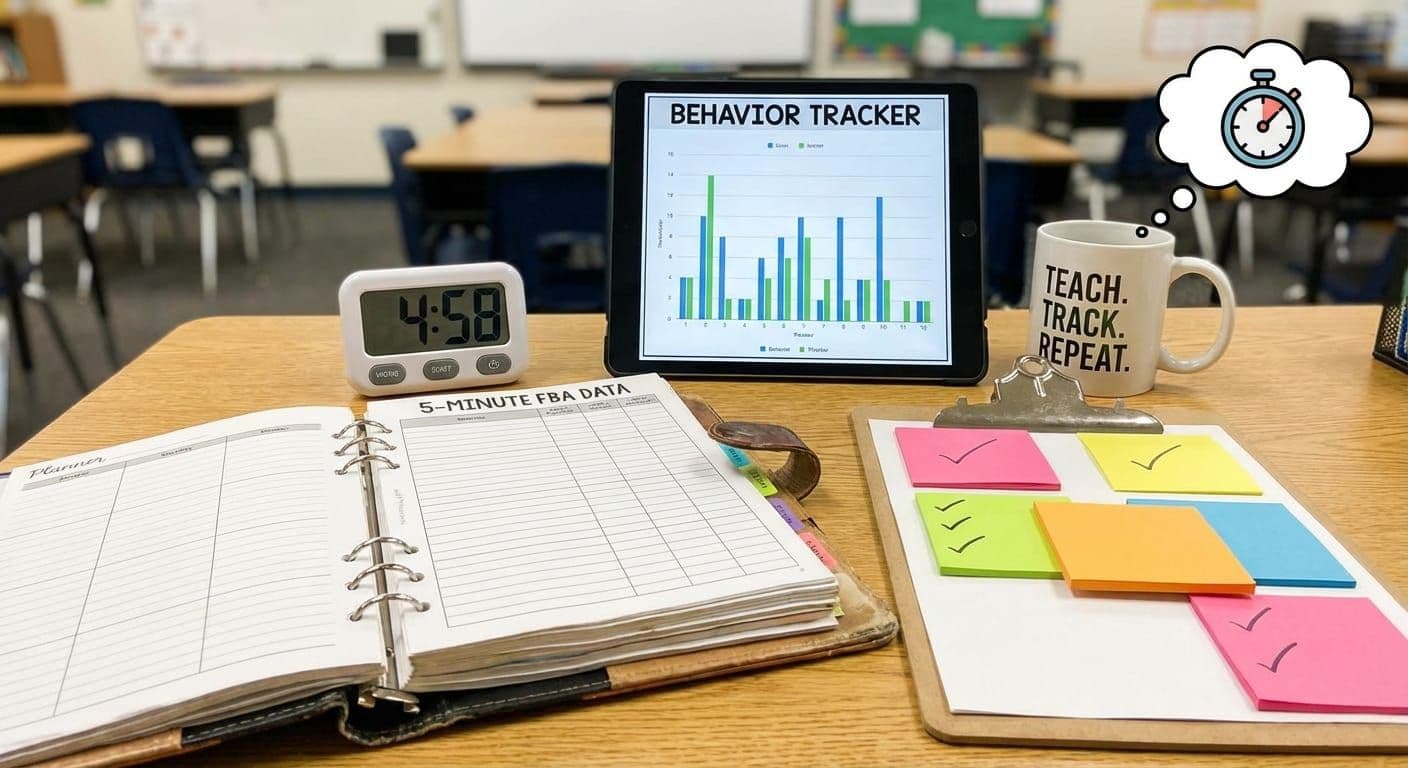
Discover proven time-saving techniques for tracking behavior data without sacrificing accuracy. Learn the fastest ways to collect FBA data including predetermined codes, mobile-first logging, team collaboration, voice-to-text methods, and batch entry techniques that cut documentation time by 75%.
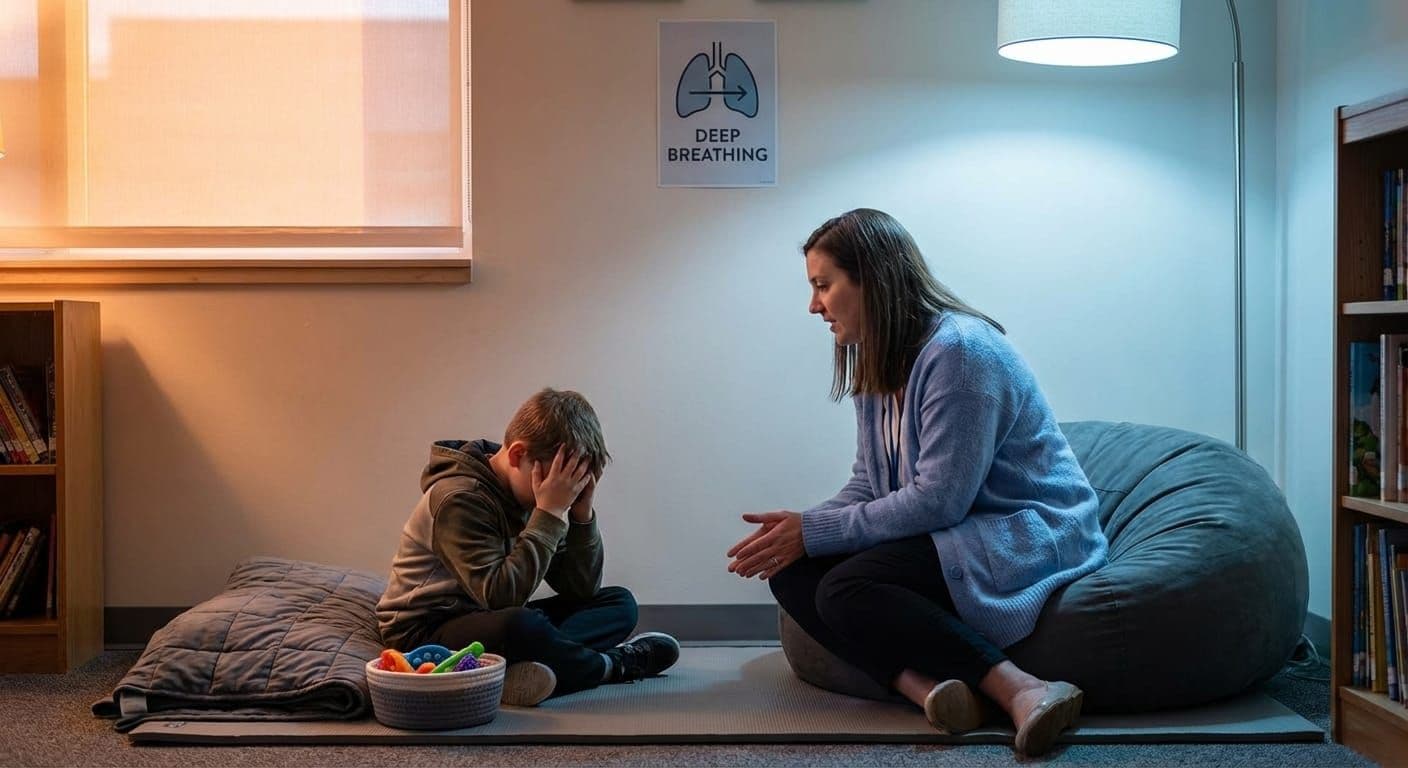
Navigate the ethical complexities of restraint and seclusion in schools. Learn about legal requirements, de-escalation alternatives, trauma-informed perspectives, required documentation, and how to build restraint-reduction cultures that prioritize student safety and dignity.
 Featured
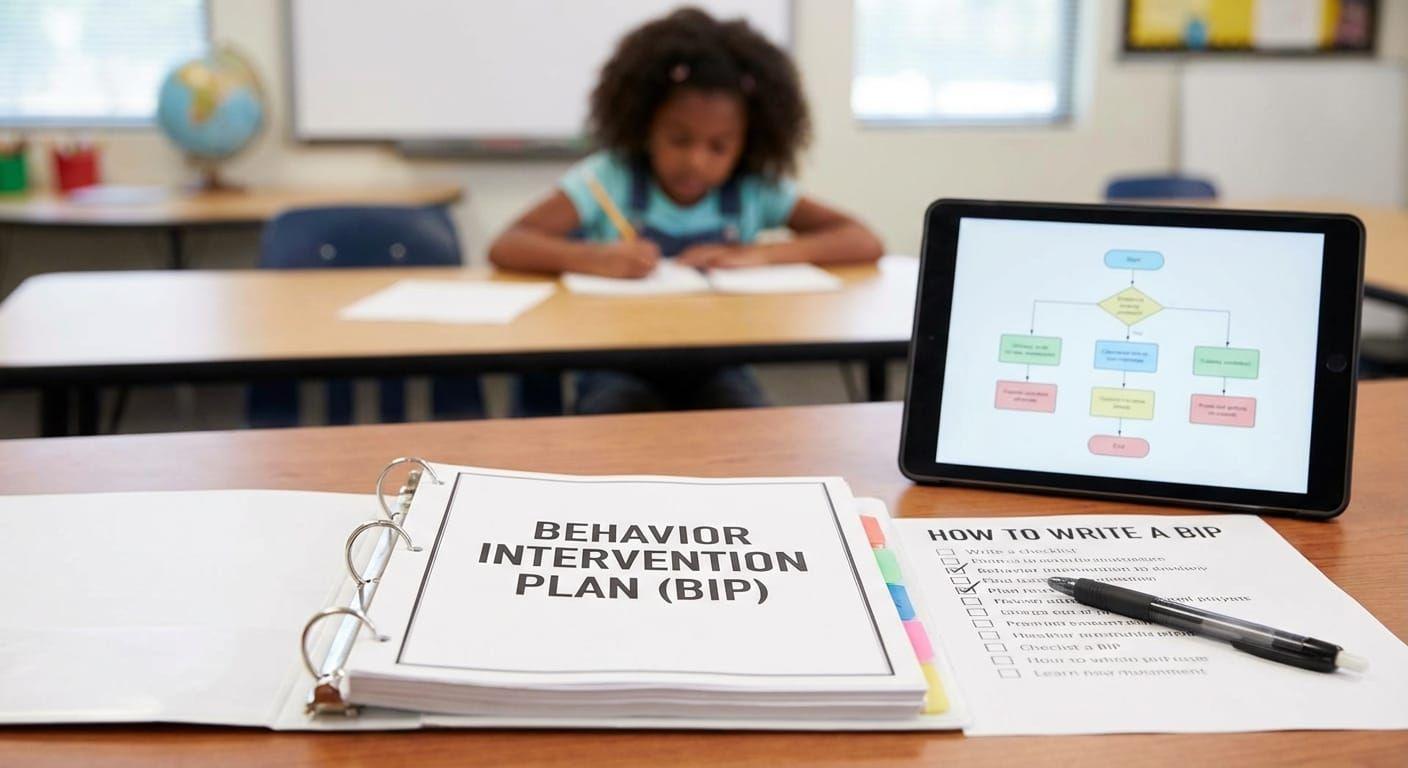
Master the complete process of developing effective Behavior Intervention Plans. Learn legal requirements, step-by-step development, function-based intervention matching, and get three real BIP examples for different age groups plus a free downloadable template.

Master the ethics of IEP meetings for behavior-related discussions. Learn how to present data objectively, ensure meaningful parent and student participation, handle disagreements professionally, and make decisions that truly serve students.
 Featured
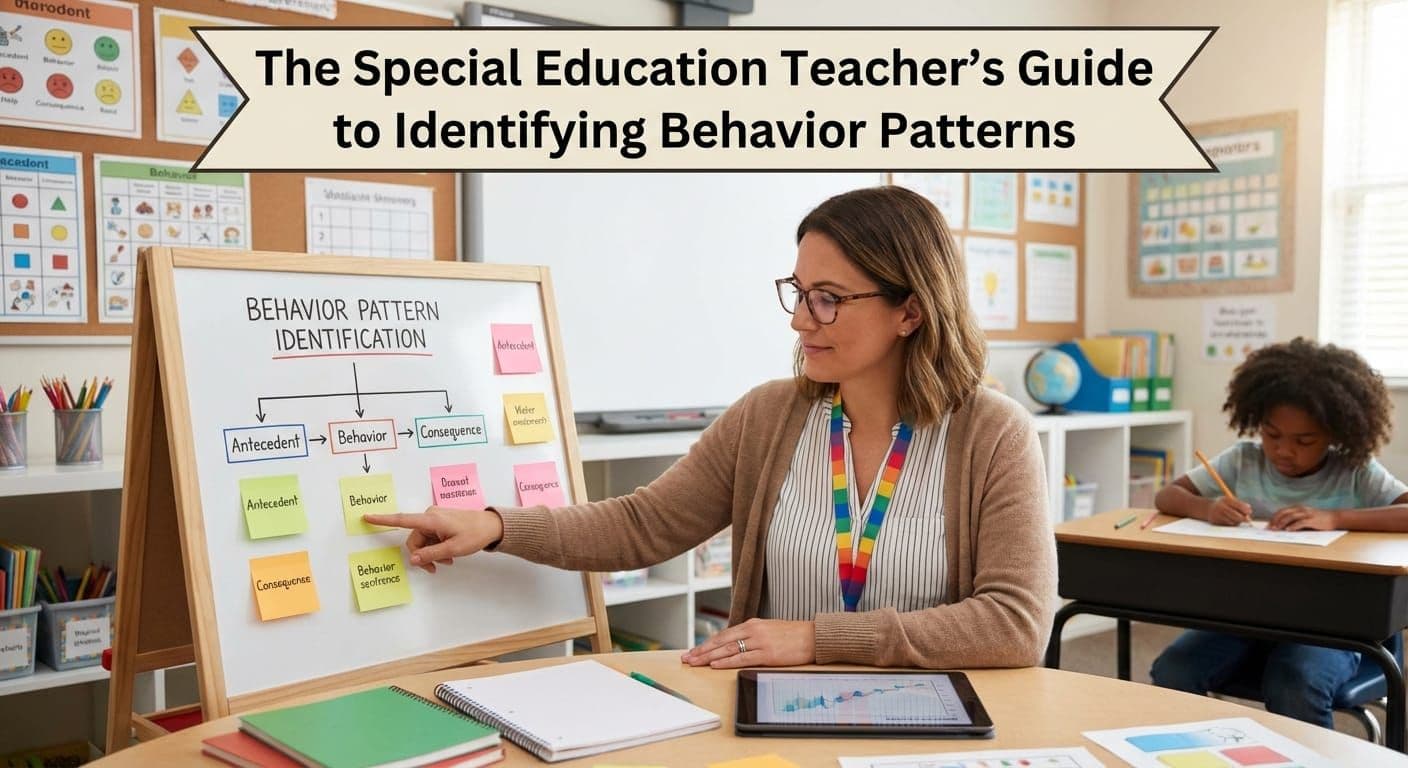
Learn why behavior patterns matter more than individual incidents and discover proven techniques for spotting hidden triggers, analyzing time-of-day trends, and leveraging AI for deeper pattern recognition in your classroom.
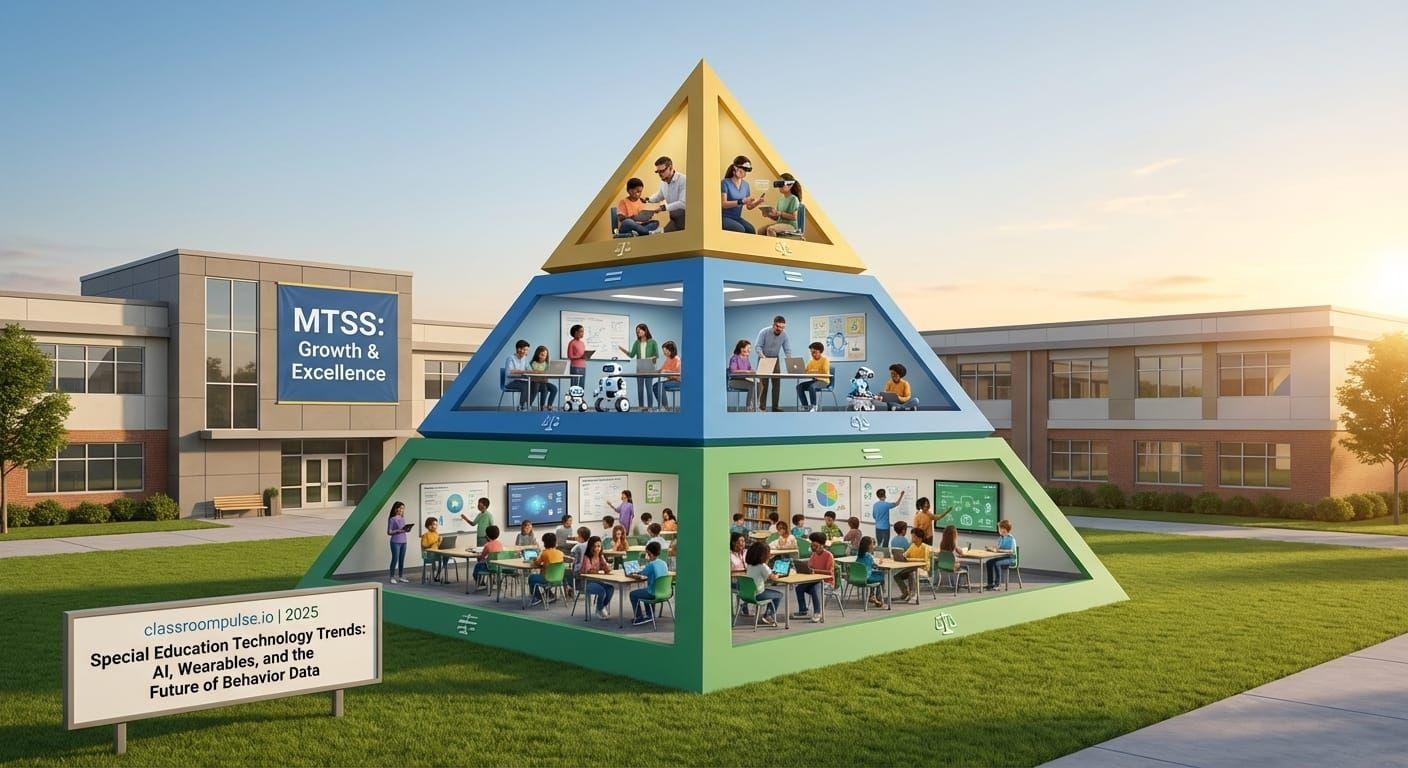
Ensure your PBIS and MTSS implementation reflects genuine positive behavior support principles. Learn to avoid punitive practices disguised as PBIS, ensure equity across tiers, use data ethically, and create systems that truly support all students.
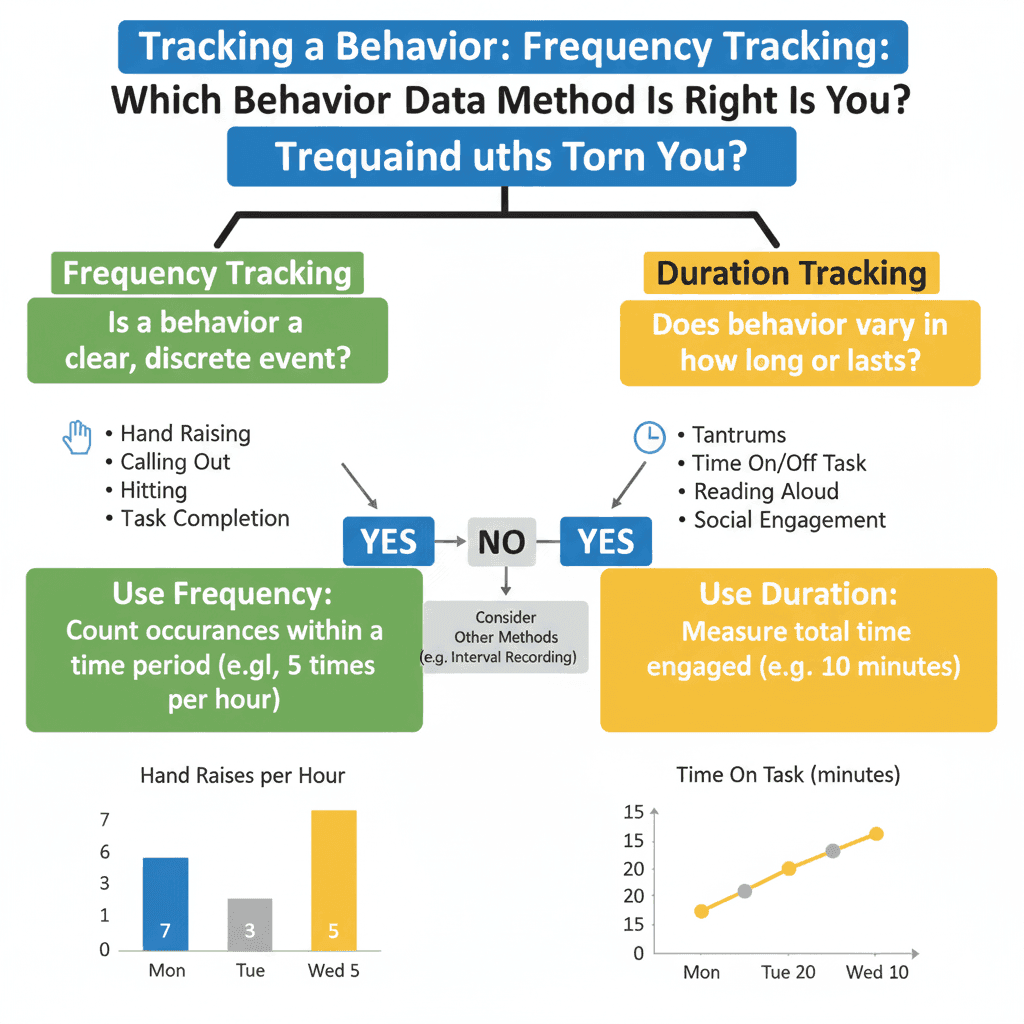
FeaturedFrequency recording counts how many times a behavior happens; duration recording measures how long it lasts. Learn which to use, how interval recording fits in, and get plain answers to common questions about each.
 Featured
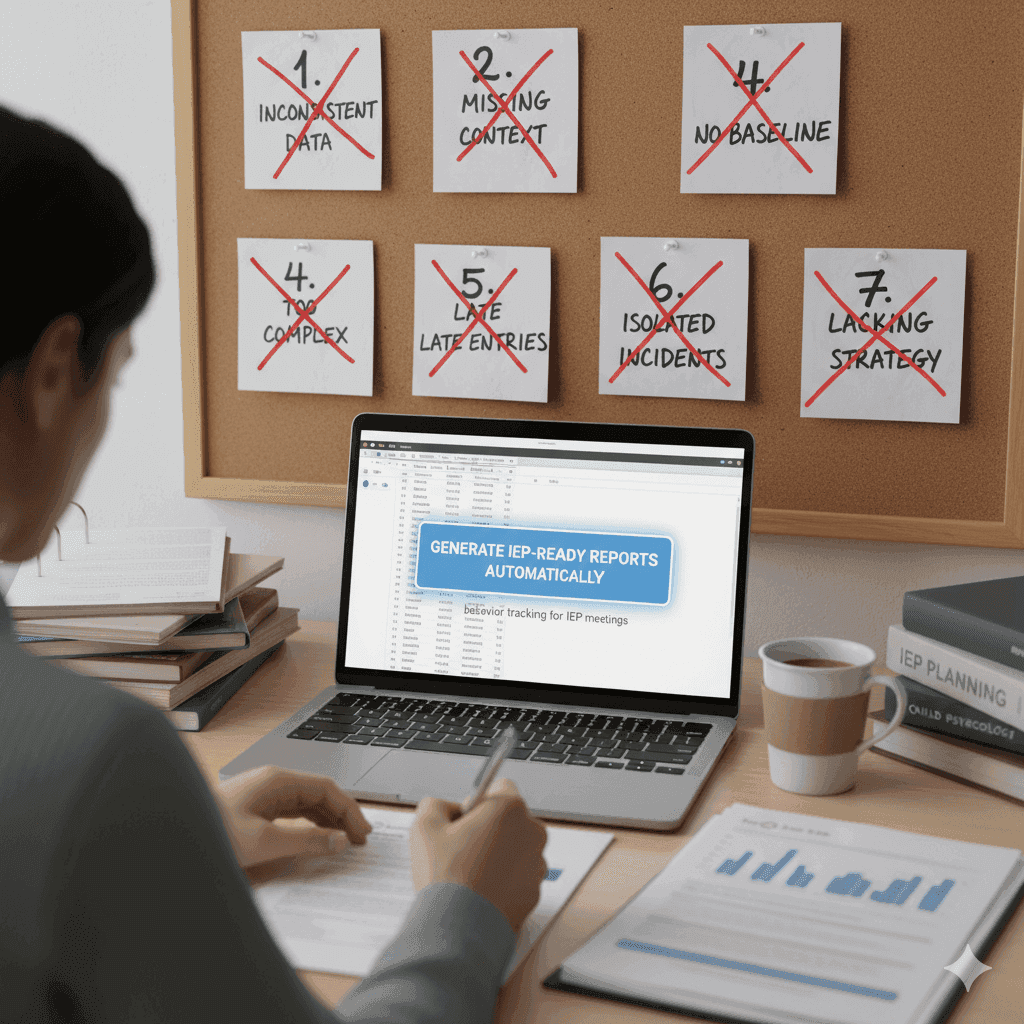
Avoid these critical data collection errors that weaken your IEP presentations. Learn how to prepare compelling, defensible behavior data that drives meaningful goal development and team buy-in.
 Featured
A practical teacher workflow for collecting useful behavior data without stopping instruction, including low-interruption methods, quick context notes, para coordination, and short review cycles.
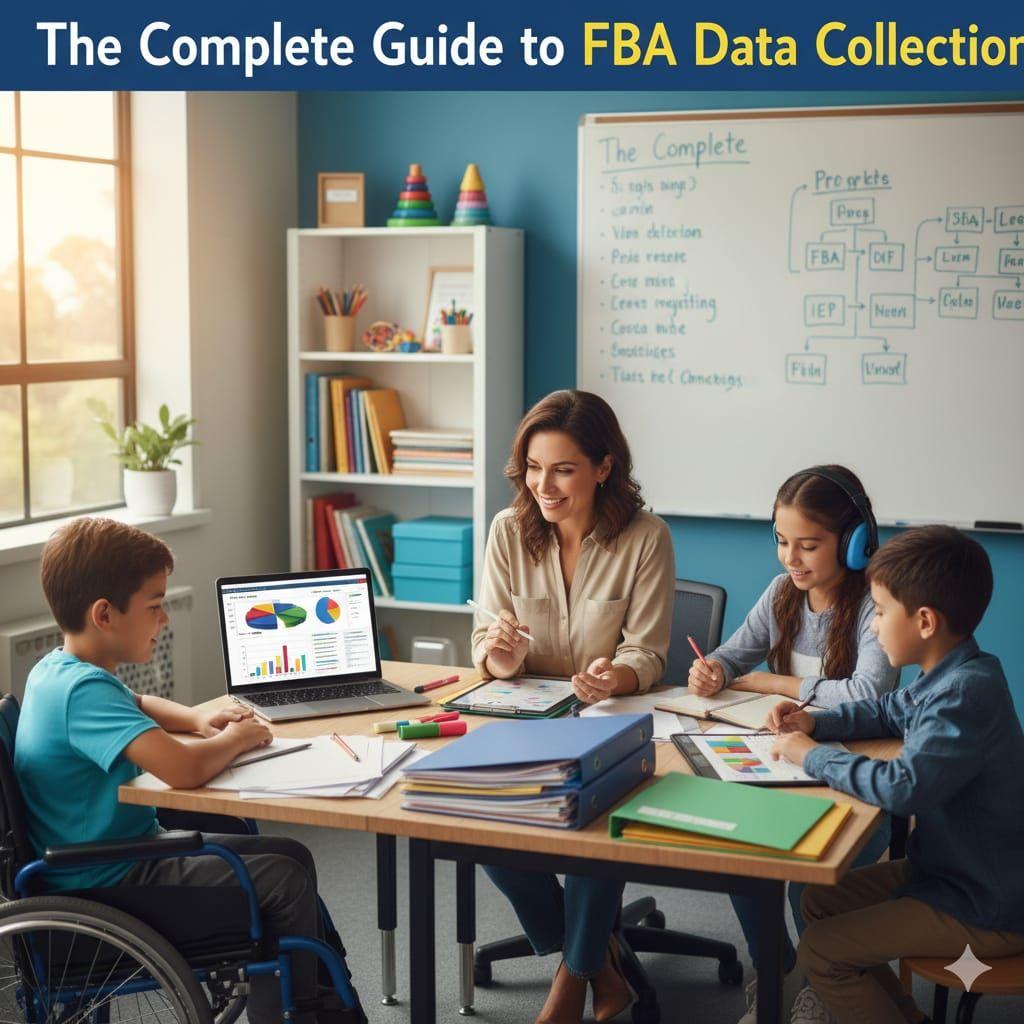
A practical special education guide for planning FBA data collection, defining target behaviors, choosing methods, gathering ABC context, checking quality, and summarizing findings for team decisions.

Ready to start tracking behavior data efficiently? This quick start guide walks you through setting up Classroom Pulse and collecting your first data points.

How you introduce behavior tracking to parents sets the tone for the year. Learn strategies for transparent, partnership-focused communication from day one.
Relationship is the foundation of effective behavior support. Learn strategies for building genuine connections with students who have challenging behavior histories.
 Featured
Use a practical first-week plan to define target behaviors, collect baseline data, document context, avoid premature intervention changes, and prepare useful next steps for student support.

Compare behavior tracking tools by workflow fit, data quality, privacy, reporting, and adoption needs so your school chooses technology educators will actually use.

Build a proactive behavior support plan before school starts using transition records, family input, first-week routines, staff briefing, and day-one data targets.
 Featured
Universal behavior screening helps identify students who need support before problems escalate. A guide for district leaders on implementation, tools, and data-based decision making.

The physical and organizational setup of your classroom directly impacts data collection consistency. Learn how to design your space for efficient, accurate behavior tracking.

Use a practical research-review framework to evaluate ABA studies, identify school implications, protect against overgeneralization, and translate findings into feasible classroom supports.

Revisit the core concepts of functional behavior assessment. This refresher covers the four functions, hypothesis development, and function-based intervention selection.
Effective collaboration between BCBAs and classroom teachers depends on shared data systems and clear communication. Learn strategies for productive supervisory relationships.

Summer is the perfect time to refresh your behavior intervention toolkit. A comprehensive guide to resources, templates, and professional development for the coming school year.
 Featured
Understanding the brain science behind challenging behavior transforms how we respond. Learn what happens neurologically during dysregulation and how that knowledge improves intervention.
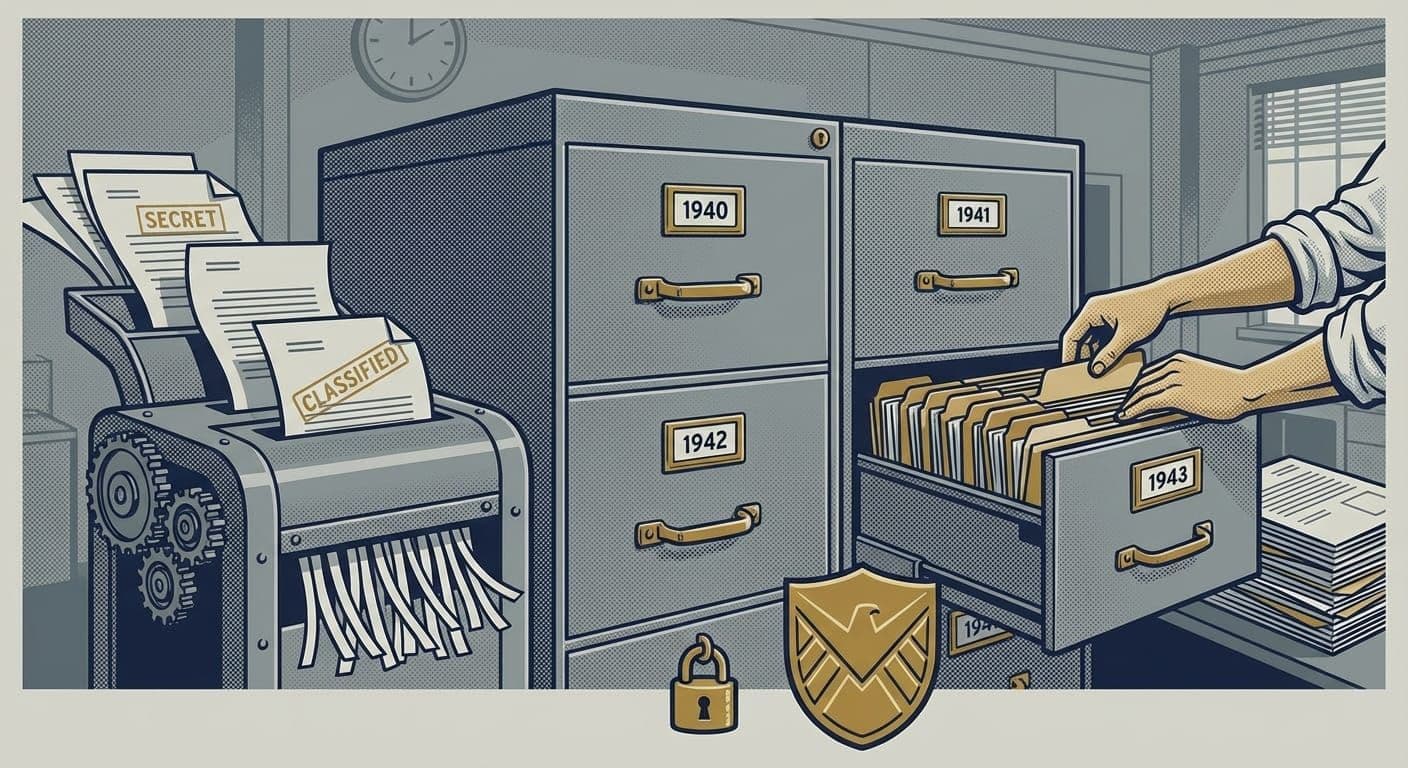
Use a practical, policy-aware workflow for behavior data archives, retention, parent access, secure deletion, and end-of-year handoffs.

The summer months can undo months of behavior progress. Learn strategies for maintaining intervention momentum through summer break and ESY services.

Successfully transitioning students with behavior plans between grade levels requires strategic data presentation. Learn what receiving teams actually need to know.

Teacher Appreciation Week reminder: Supporting students with challenging behaviors requires you to support yourself first. Evidence-based strategies for preventing burnout.