
The Five-Minute End-of-Day Huddle: How Teams Review Behavior Data
A five-minute end-of-day routine for teachers and paraprofessionals: what happened, gaps in the data, one change for tomorrow, who logs what, and ground rules for privacy.

Founder, Classroom Pulse
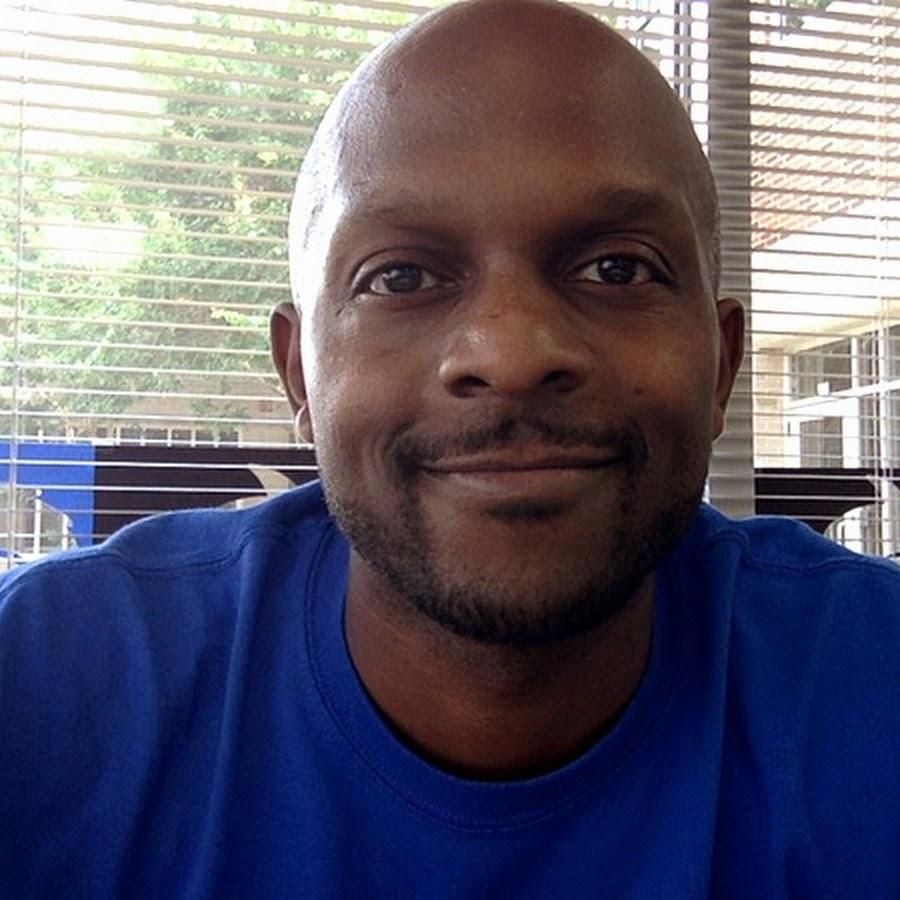
Bobby Hillman is a Board Certified Behavior Analyst and Licensed Behavior Analyst with an M.Ed. in Special Education and more than 25 years in public special education and autism services. He works as a Behavior Instructional Specialist and founded Classroom Pulse to reduce the documentation load on classroom teams while keeping the detail FBA and BIP work requires.

A five-minute end-of-day routine for teachers and paraprofessionals: what happened, gaps in the data, one change for tomorrow, who logs what, and ground rules for privacy.

Written questions for behavior data vendors, grouped by topic: FERPA, COPPA, state law, the DPA, subprocessors, AI training, access for paras and subs, logs, breach, and deletion.

Before mid-year decisions, check that a second observer would record the same thing. How to calculate each IOA method, what benchmark to borrow, and what to do when agreement is low.

A plain-language guide for families: what progress report codes usually mean, the data behind the rating, questions to ask, and what should happen when progress is not enough.

A six-part narrative for IEP progress reports on behavior goals: baseline, current level, trend, measurement, whether progress is sufficient, and what changes next, with examples.

Many first-year teachers hit a wall in the fall. Here are small behavior data habits that survive it, what to stop doing, and how mentors and principals can help.

What a classroom team can gather in about four weeks so an FBA referral starts from evidence: a definition, baseline, ABC entries, a time-of-day grid, and what was tried.

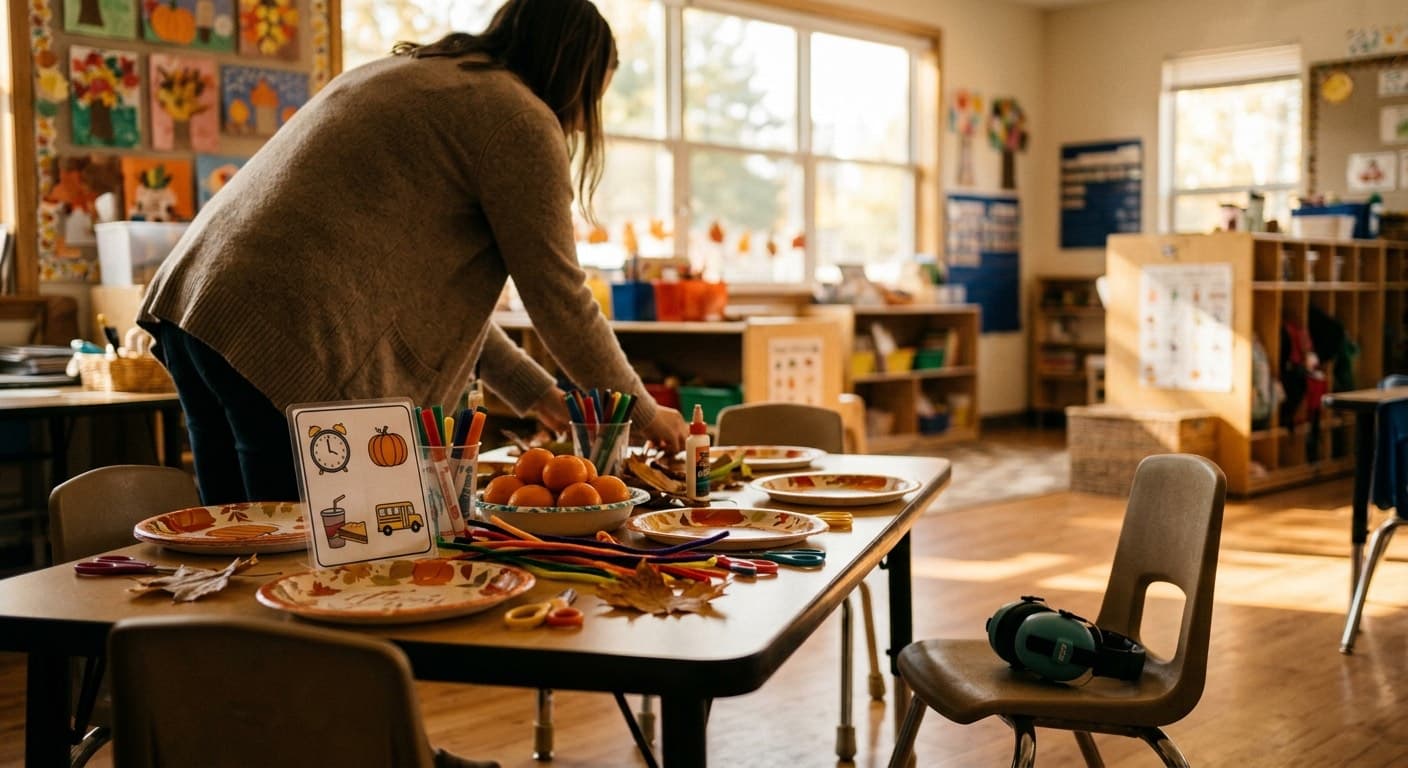
Event days stack changed routines, noise, costumes, food, and thin adult structure. Plan them like a new routine, staff them like a transition, and tag them in your data.
FeaturedA minute-by-minute plan for sharing behavior data in a short conference slot: one graph, a few patterns, strengths first, home observations, privacy checks, and one shared next step.

What makes behavior data hold up under review: shared operational definitions, in-the-moment recording, one consistent measurement dimension, and FERPA-safe storage.

An honest history of behavior analysis, from operant foundations and Iwata's functional analysis to autistic community critique and today's assent-based practice.

Five real-sounding hallway anecdotes translated step-by-step into ABC log entries, and how a few weeks of honest entries turn instinct into a testable pattern.

A practical triage framework for the start-of-year FBA referral wave: screen by safety, timelines, and intensity, then delegate and review on a cadence.

"Constantly" gets set aside; "14 times last week, 11 during independent work" sets the agenda. Why 30 seconds of logging is a teacher's best protection.

From exclusion-era discipline to Honig v. Doe and IDEA 1997: the legal history that made FBAs a civil-rights protection, not paperwork.

You already know who struggles at transitions and when the hard moments cluster. That's data. Here's how to turn the mental notes you're already making into 30-second logs that count in meetings.

A one-planning-day workflow for standing up your classroom behavior data system: decide what to track, where forms and devices live, who logs what, and how baselines start in week 1.